If Your Pet Ingests This Plant
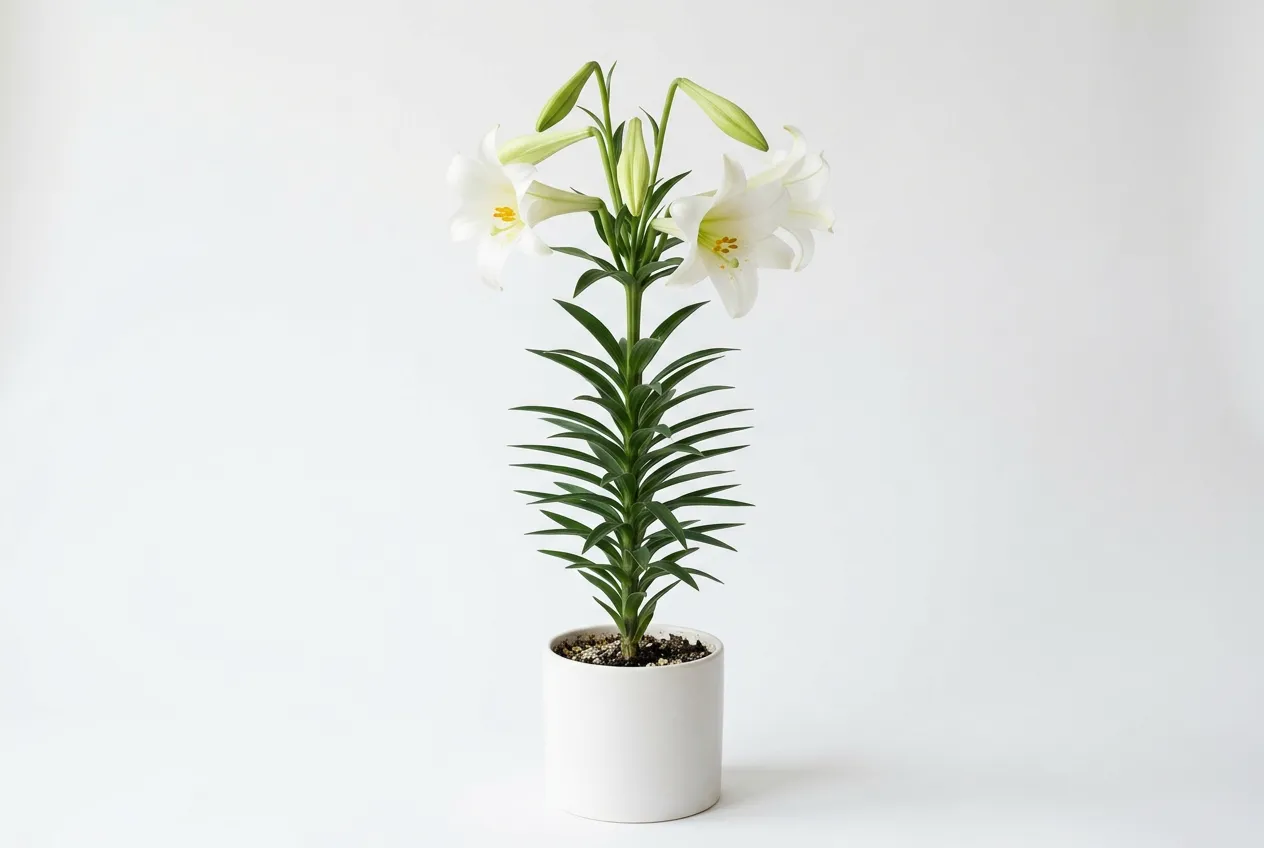
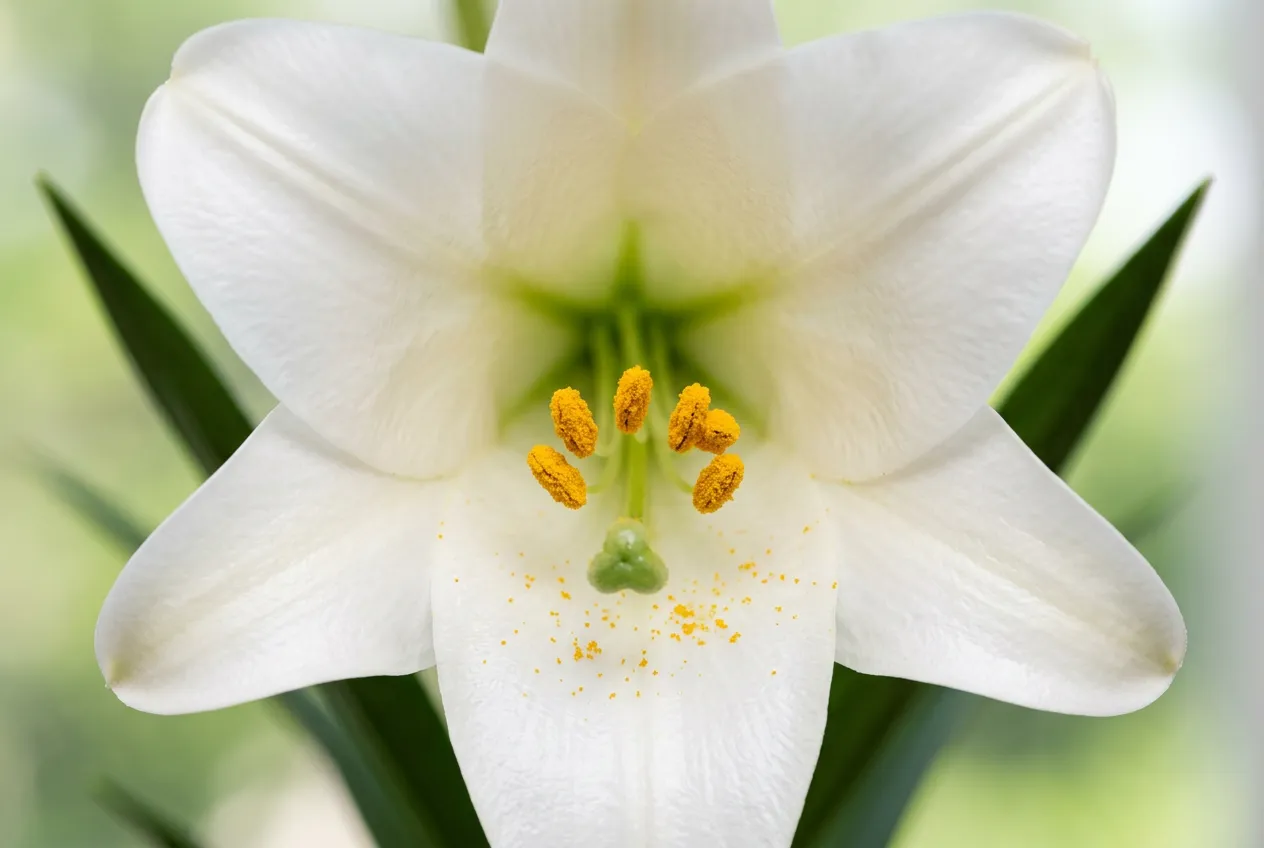
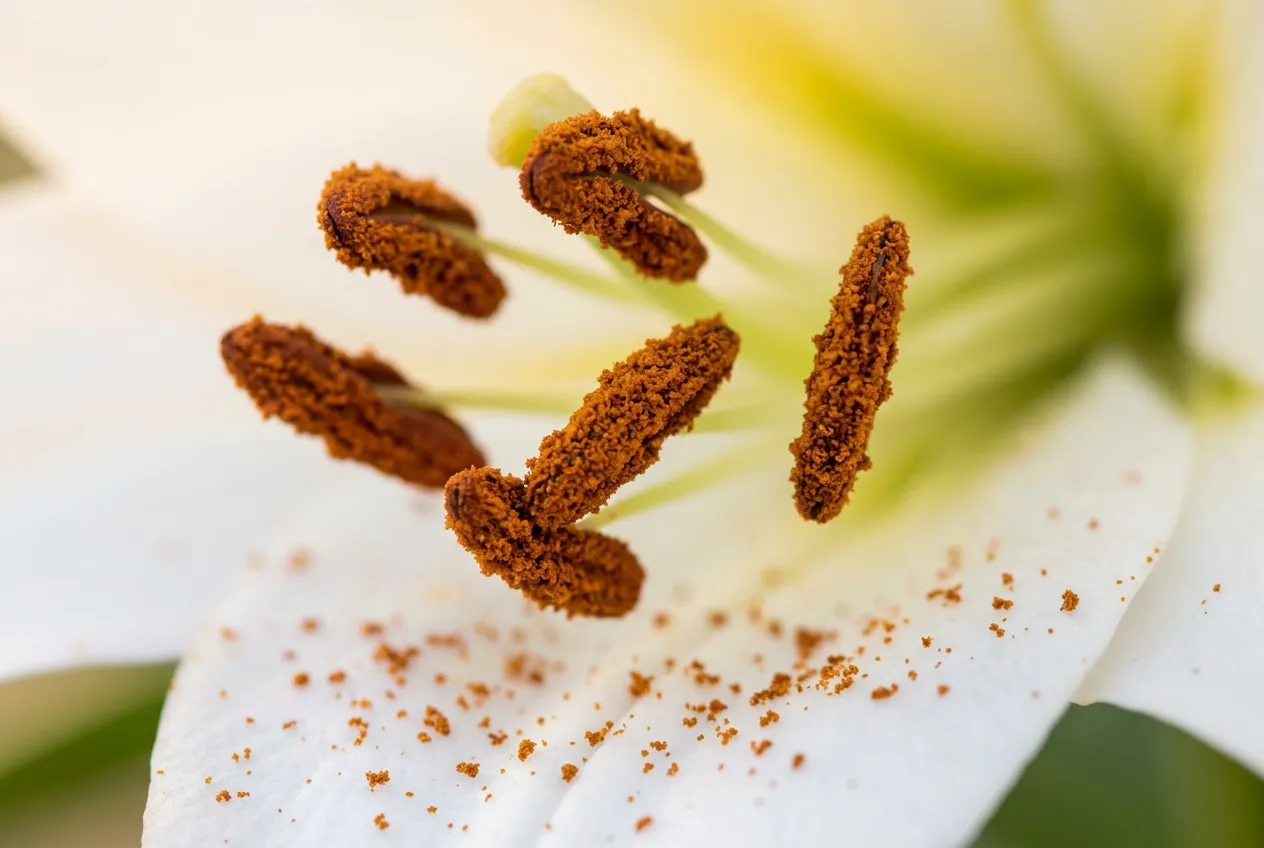
Certain lily species are among the most dangerous plants for cats. When ingested, even in small amounts, they can cause acute kidney failure. Eating as little as one or two leaves or petals, or even drinking water from a vase containing lilies, can be fatal to cats. Dogs may experience gastrointestinal upset but are less severely affected.
How to Identify
White, pink, or orange trumpet-shaped flowers on tall green stems, 1–4 feet tall. Long, narrow leaves arranged alternately along the stem. Often sold in pots during Easter and as cut flowers year-round. Multiple species look similar but vary in color.
If Your Pet Ingests This Plant
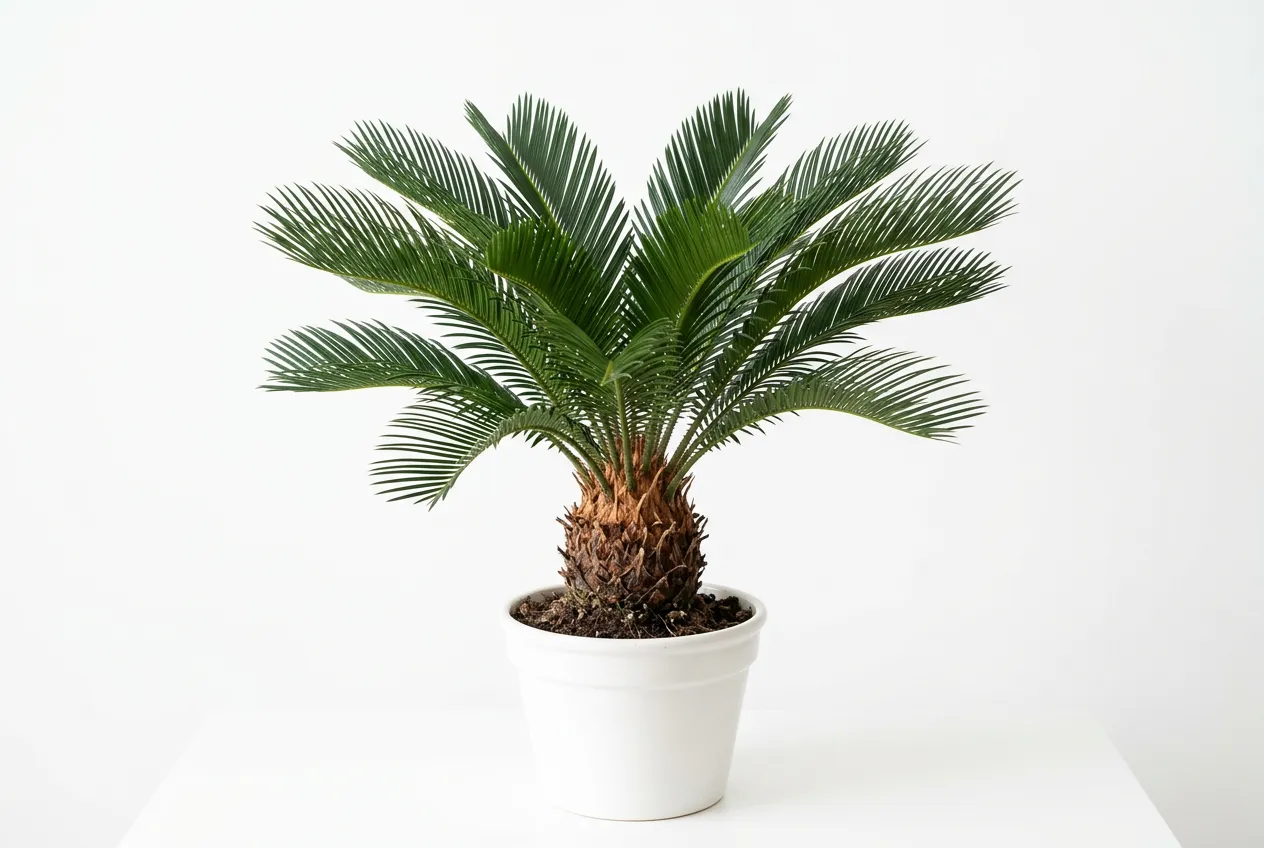
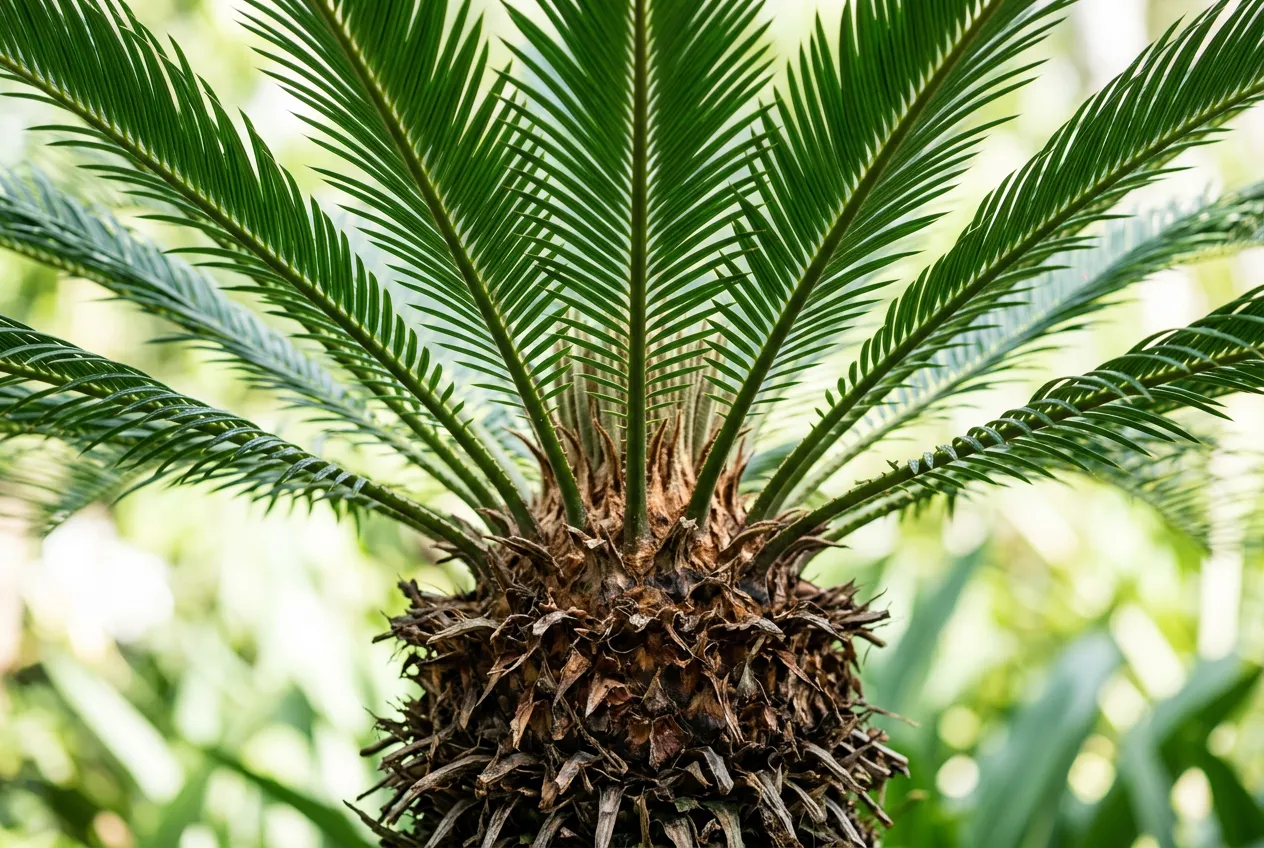
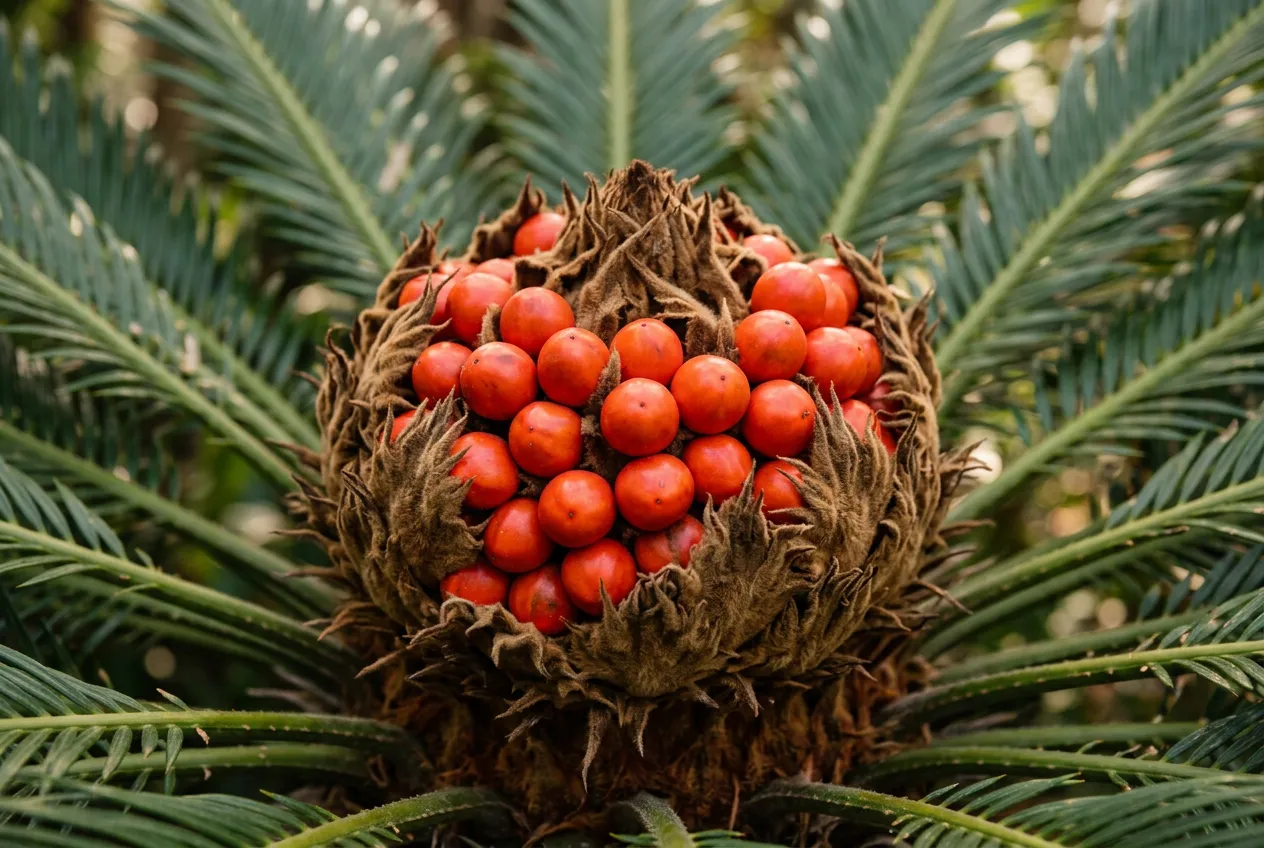
All parts of the sago palm are poisonous, with the seeds (nuts) being the most toxic. The plant contains cycasin, which causes severe liver damage. The survival rate after ingestion is approximately 50%, making this one of the most dangerous plants for pets of any size.
How to Identify
Stiff, dark green, feather-like fronds radiating from a thick, rough-textured trunk. Grows 3–10 feet outdoors, smaller indoors. Produces bright red-orange seeds in a large cone-like structure. Often mistaken for a true palm but is actually a cycad.
If Your Pet Ingests This Plant
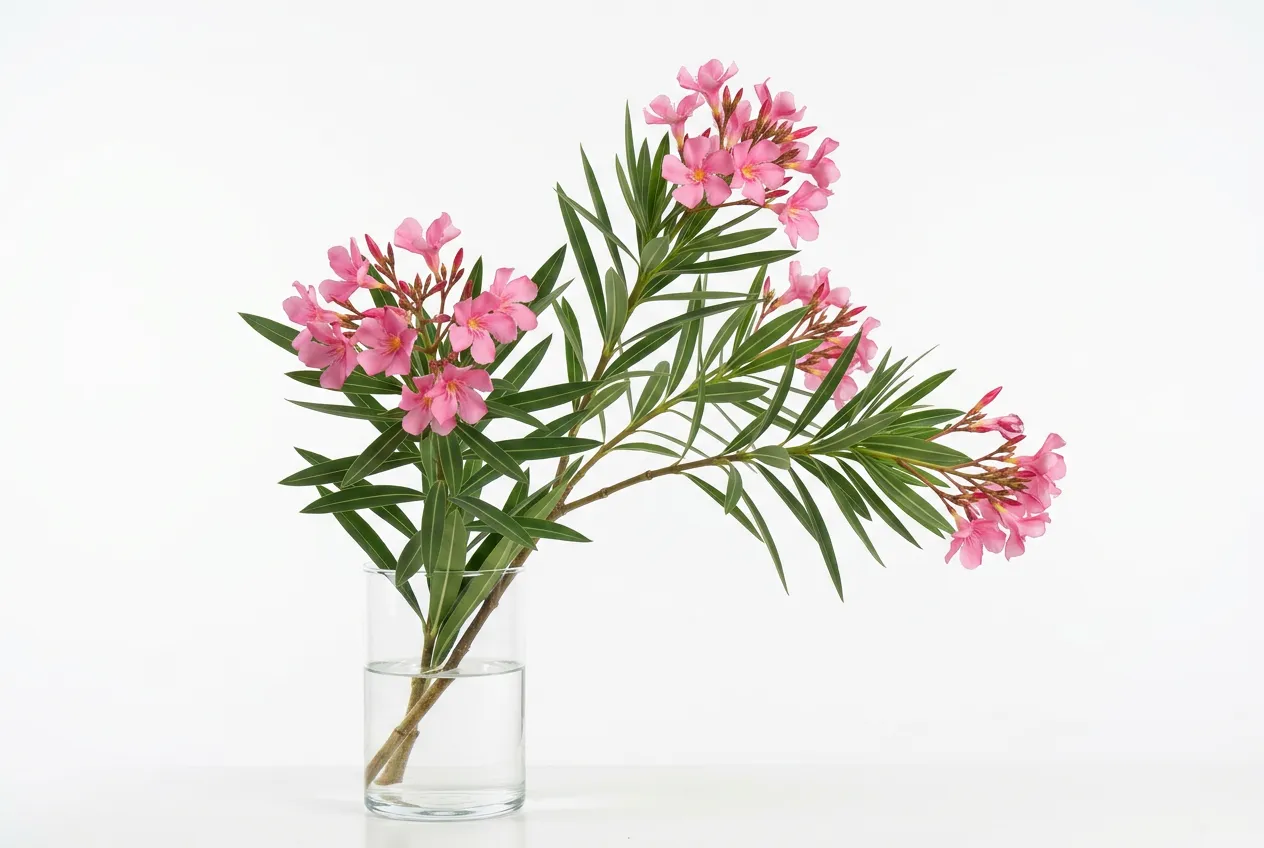
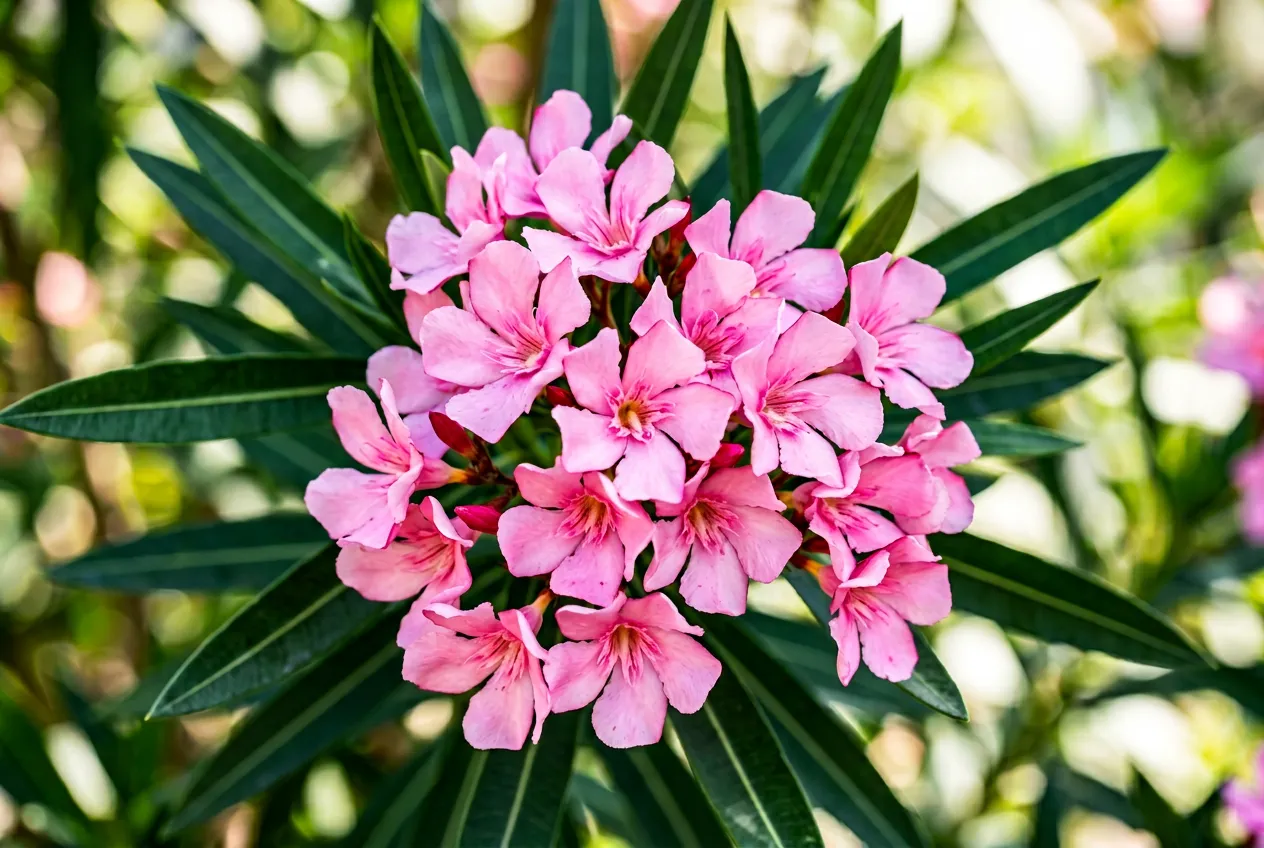
Every part of the oleander plant is extremely toxic. It contains cardiac glycosides that directly affect the heart, causing potentially fatal arrhythmias. Even small amounts can be lethal. Smoke from burning oleander branches is also dangerous to both pets and humans.
How to Identify
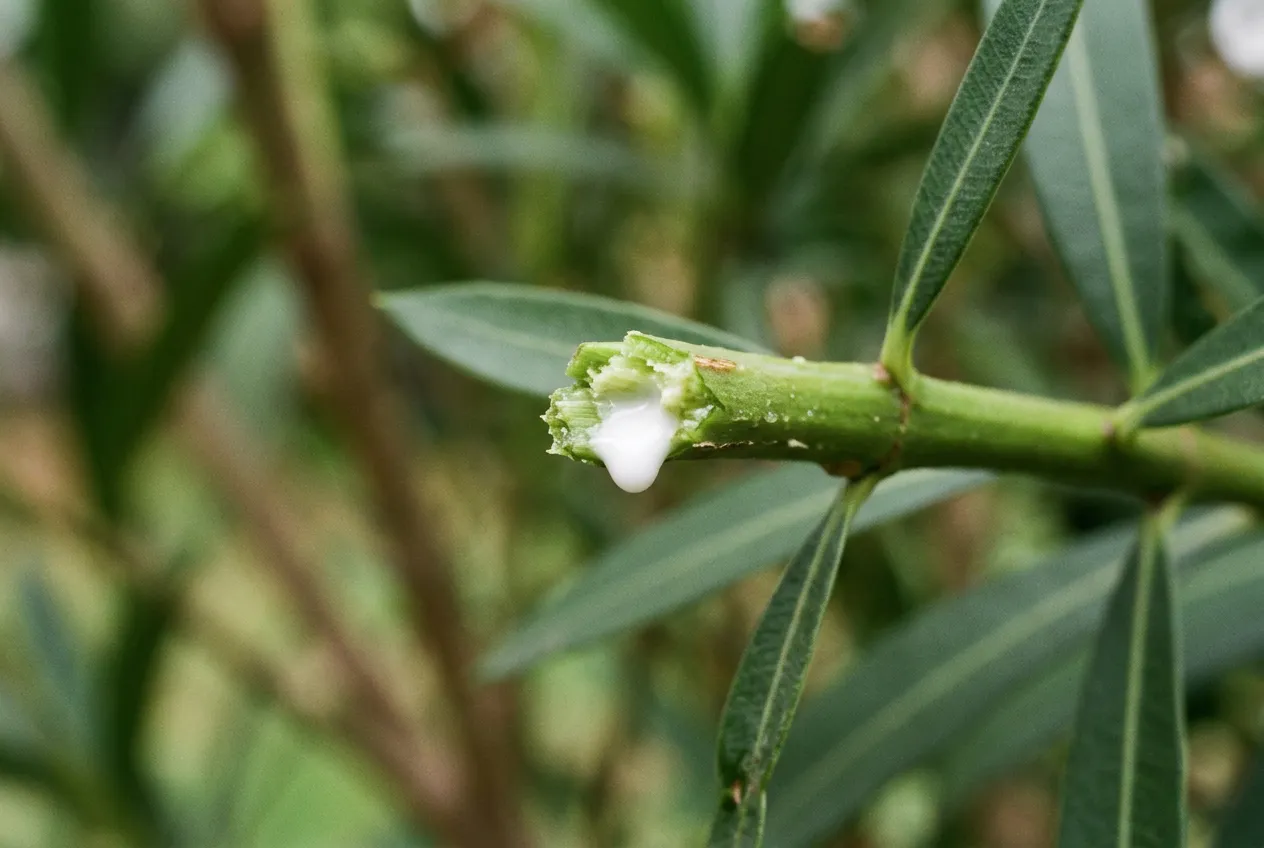
Evergreen shrub growing 6–20 feet tall with long, narrow, leathery dark green leaves. Clusters of showy flowers in white, pink, red, or yellow. Common in warm climates as landscaping. Milky white sap visible when stems or leaves are broken.
If Your Pet Ingests This Plant
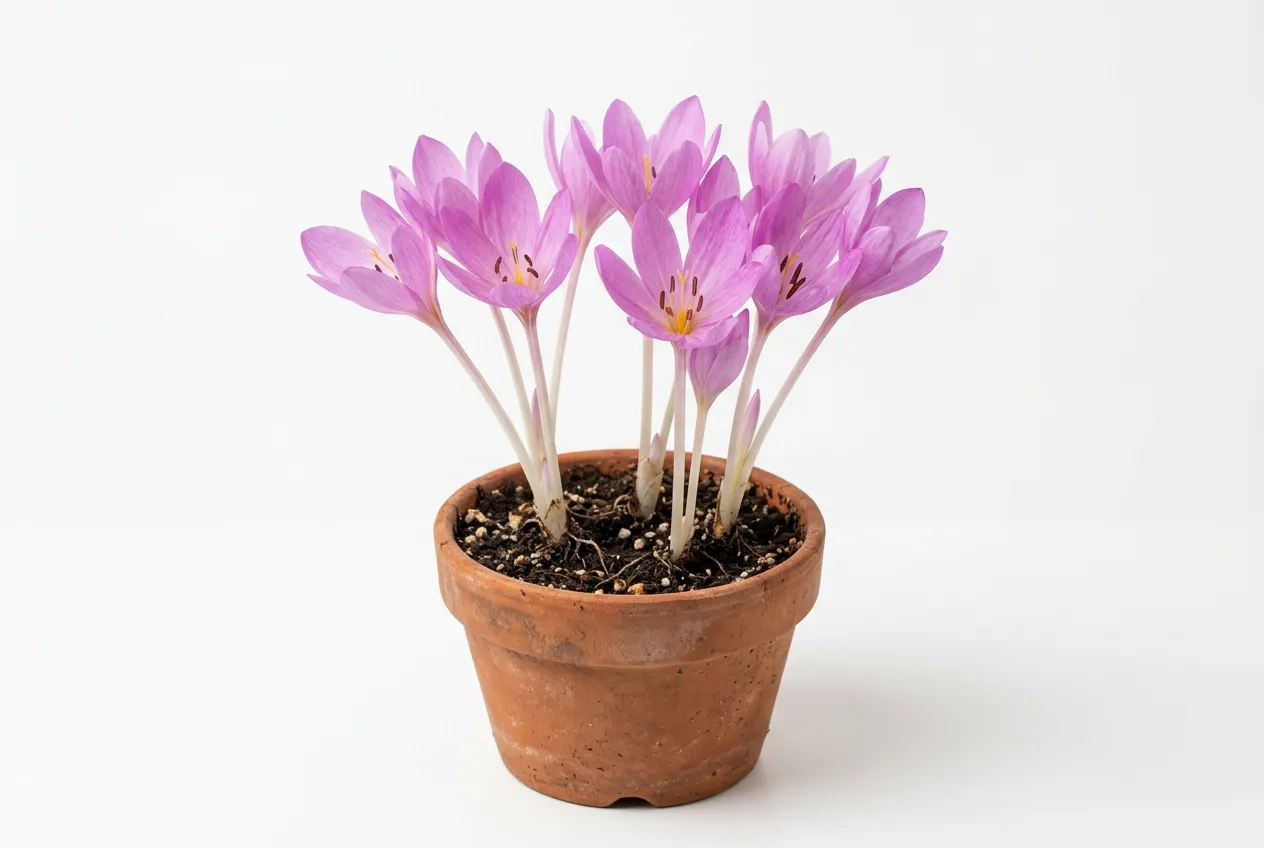
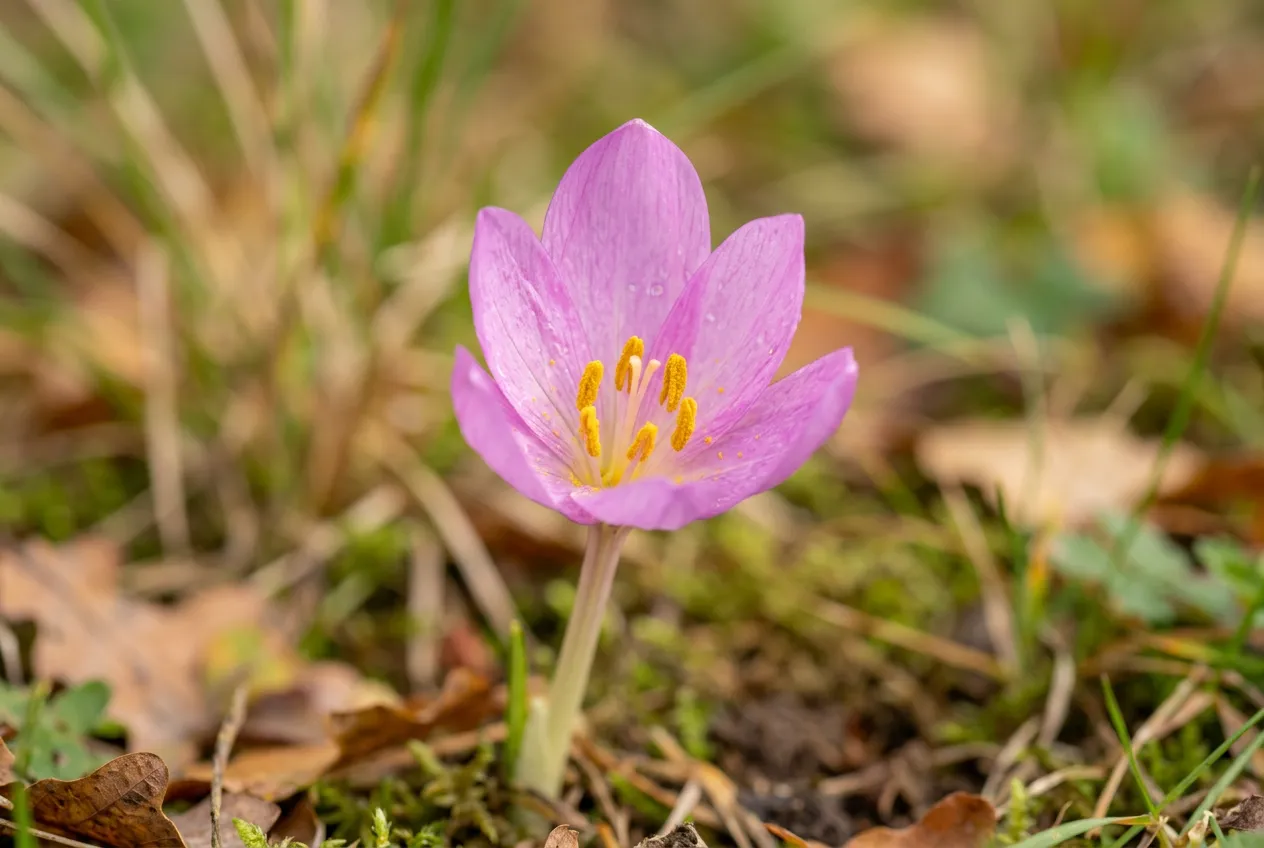
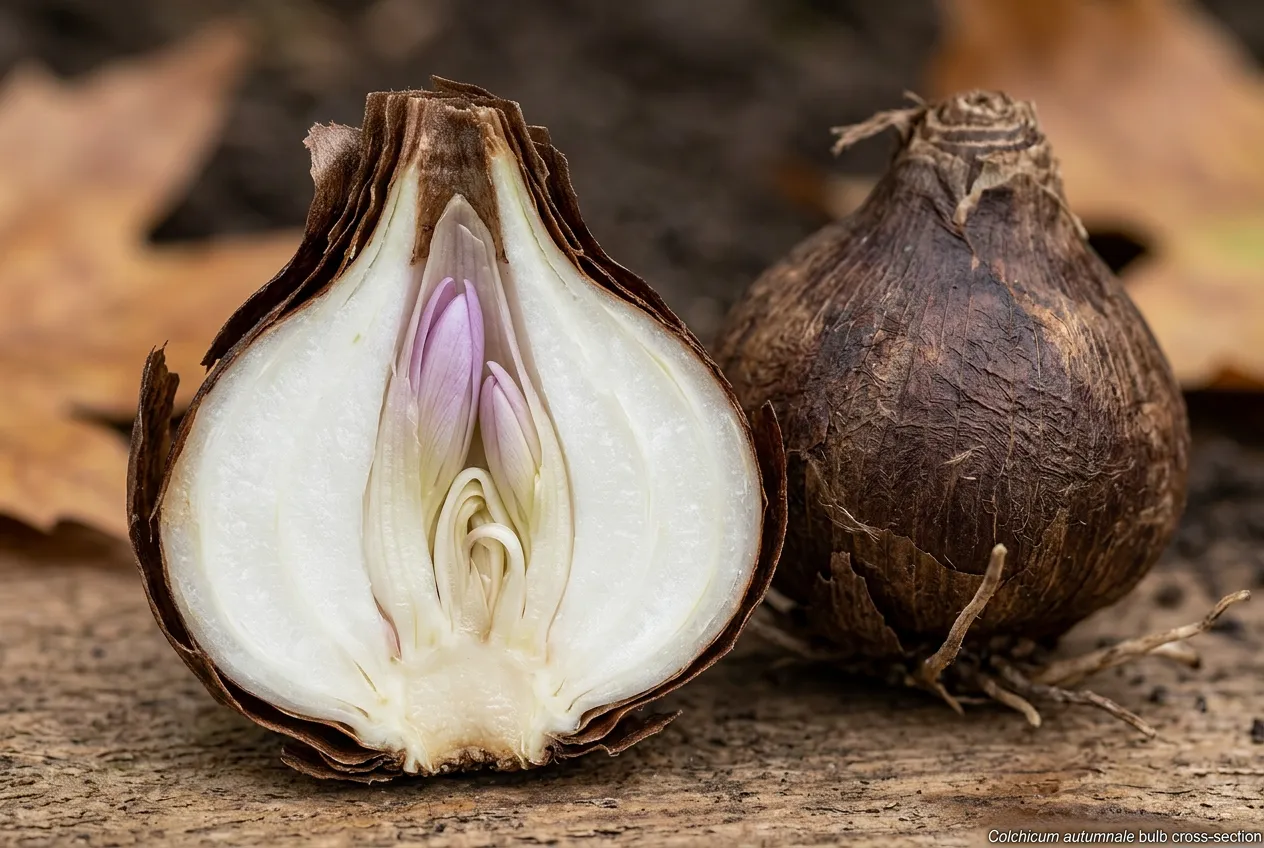
The autumn crocus contains colchicine, a highly toxic alkaloid. Unlike the spring crocus which causes mild upset, the autumn crocus can cause severe multi-organ damage. Initial symptoms may appear within hours, but devastating effects on the liver, kidneys, and bone marrow can develop days later.
How to Identify
Low-growing, 4–12 inches tall. Pink, purple, or white cup-shaped flowers appear in autumn without leaves. Broad, strap-like leaves emerge in spring. Easily confused with the much less toxic spring crocus — autumn crocus flowers are larger.
If Your Pet Ingests This Plant
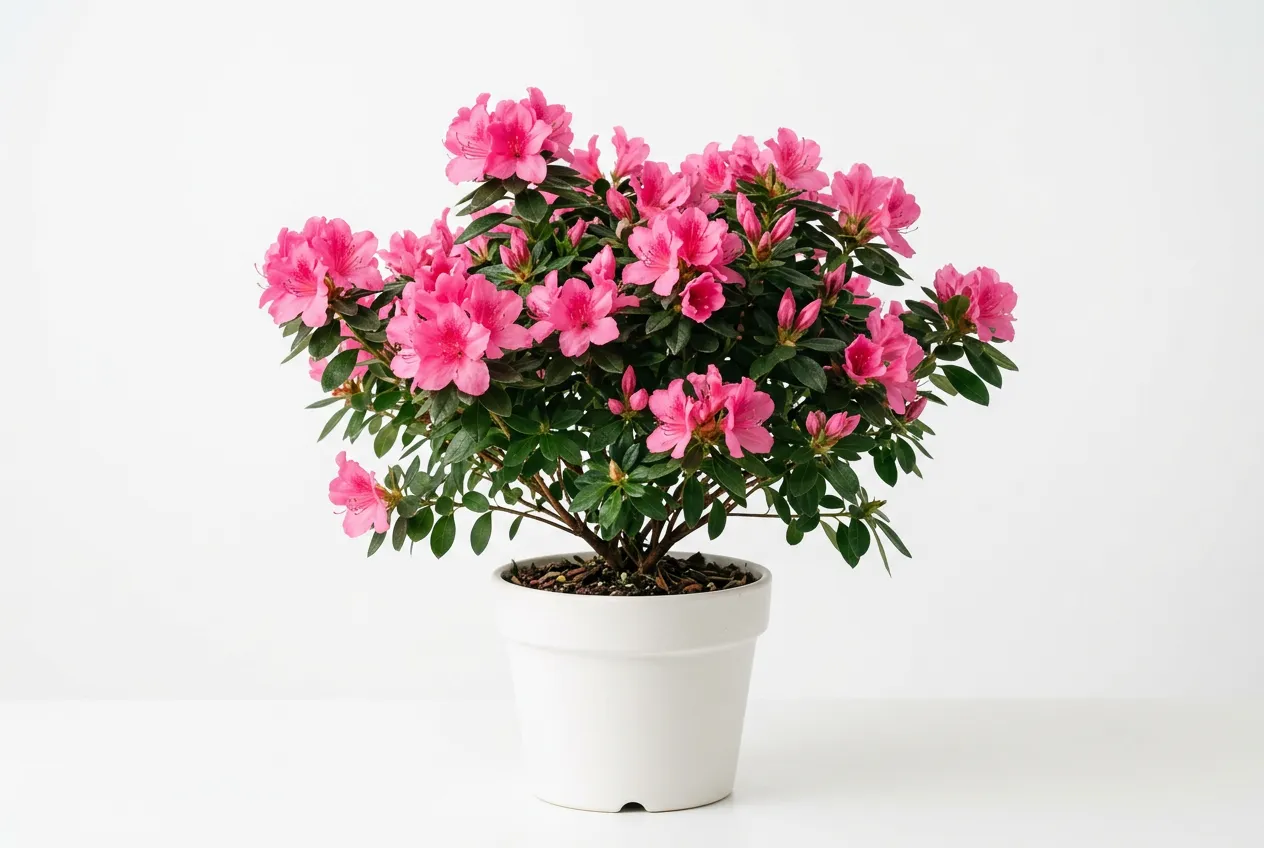
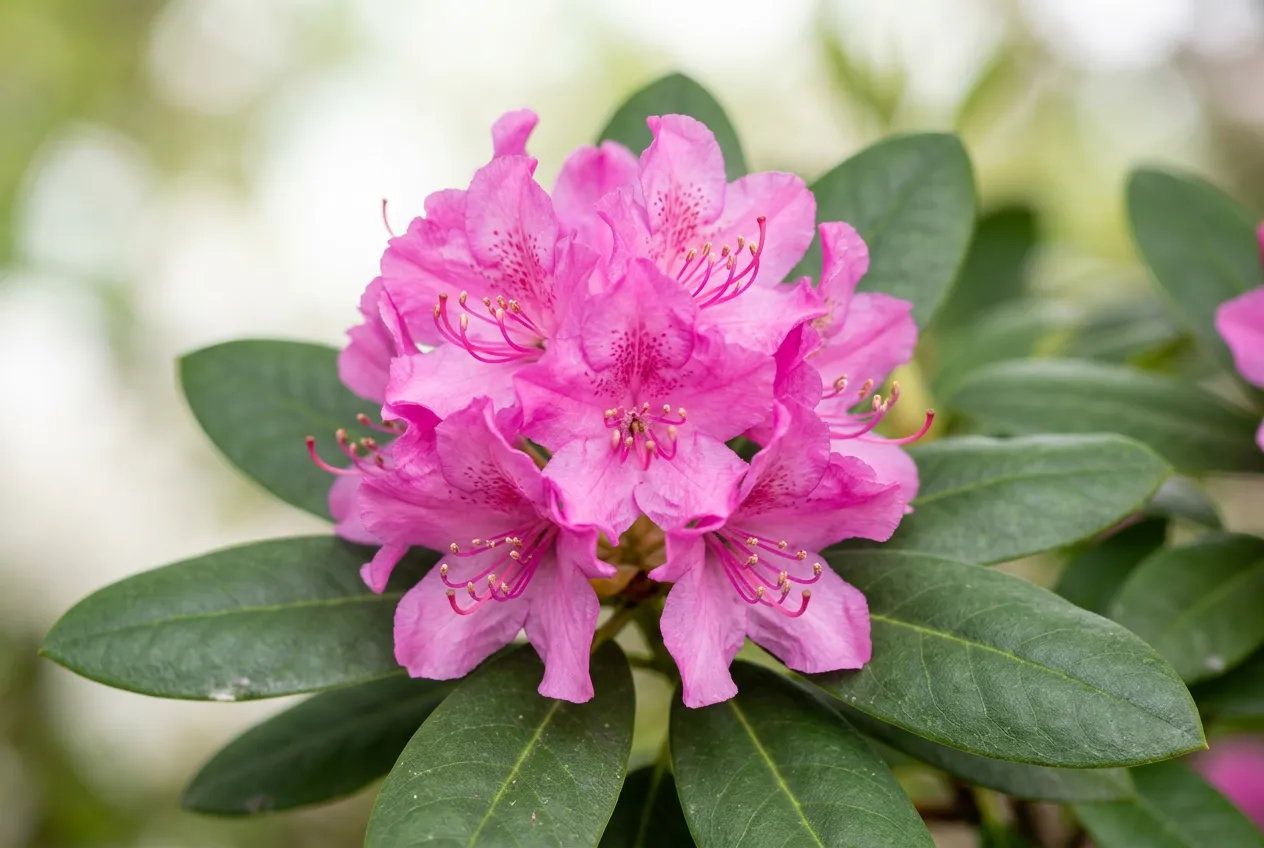
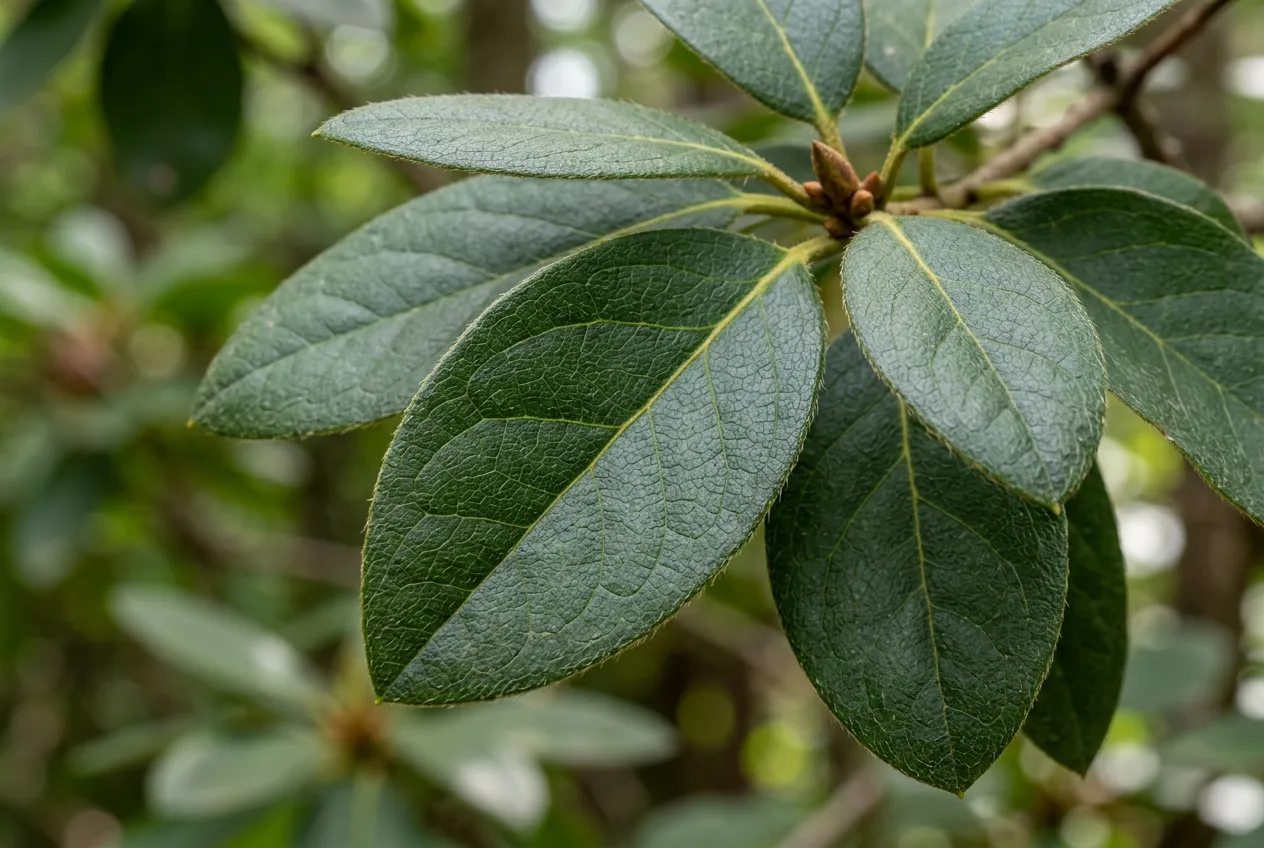
All parts of azaleas and rhododendrons contain grayanotoxins, which disrupt sodium channels in the body. Eating just a few leaves can cause serious poisoning. These plants are extremely common in landscaping across the United States, making them a frequent source of pet poisoning cases.
How to Identify
Dense shrubs ranging from 2–20 feet tall. Broad, leathery, oval evergreen leaves. Large clusters of funnel-shaped flowers in pink, purple, red, white, or orange. Found in nearly every American garden center.
If Your Pet Ingests This Plant
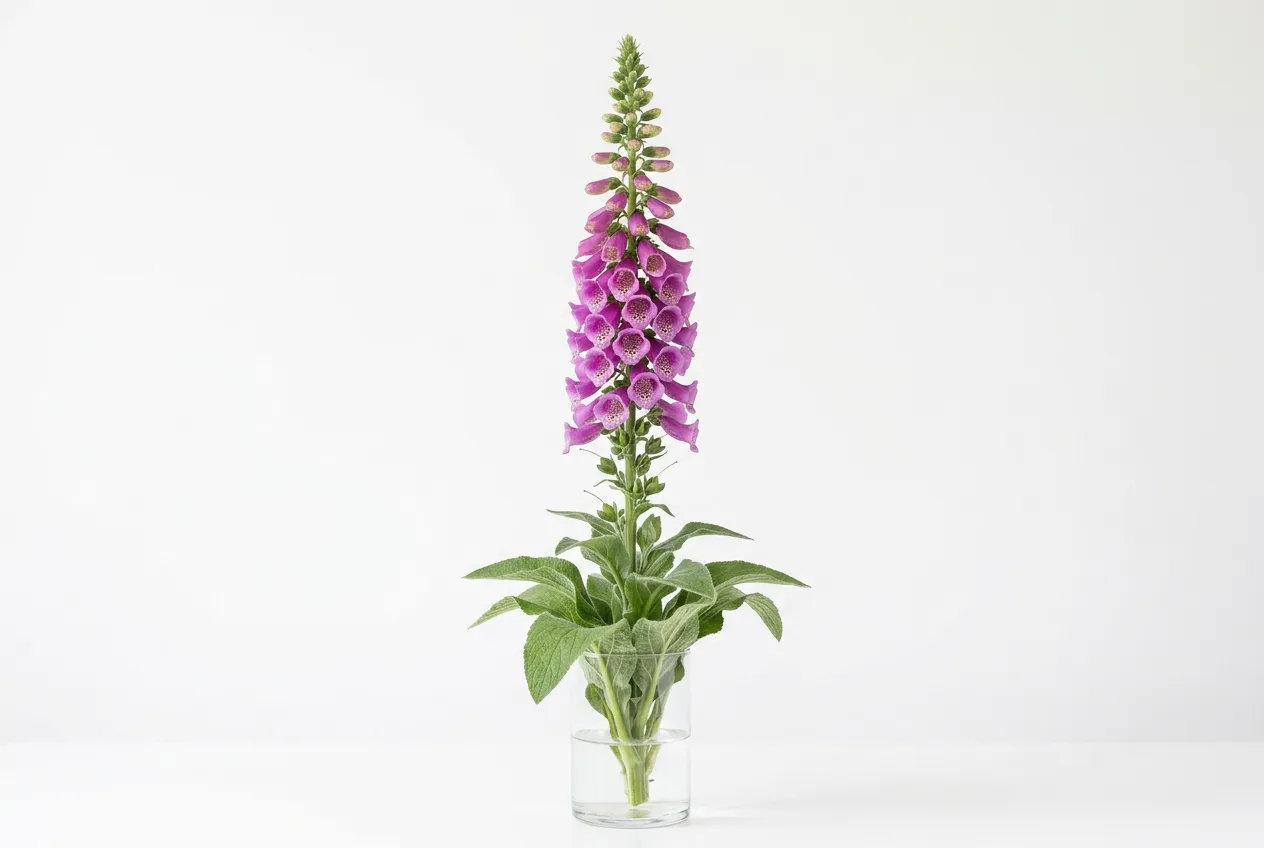
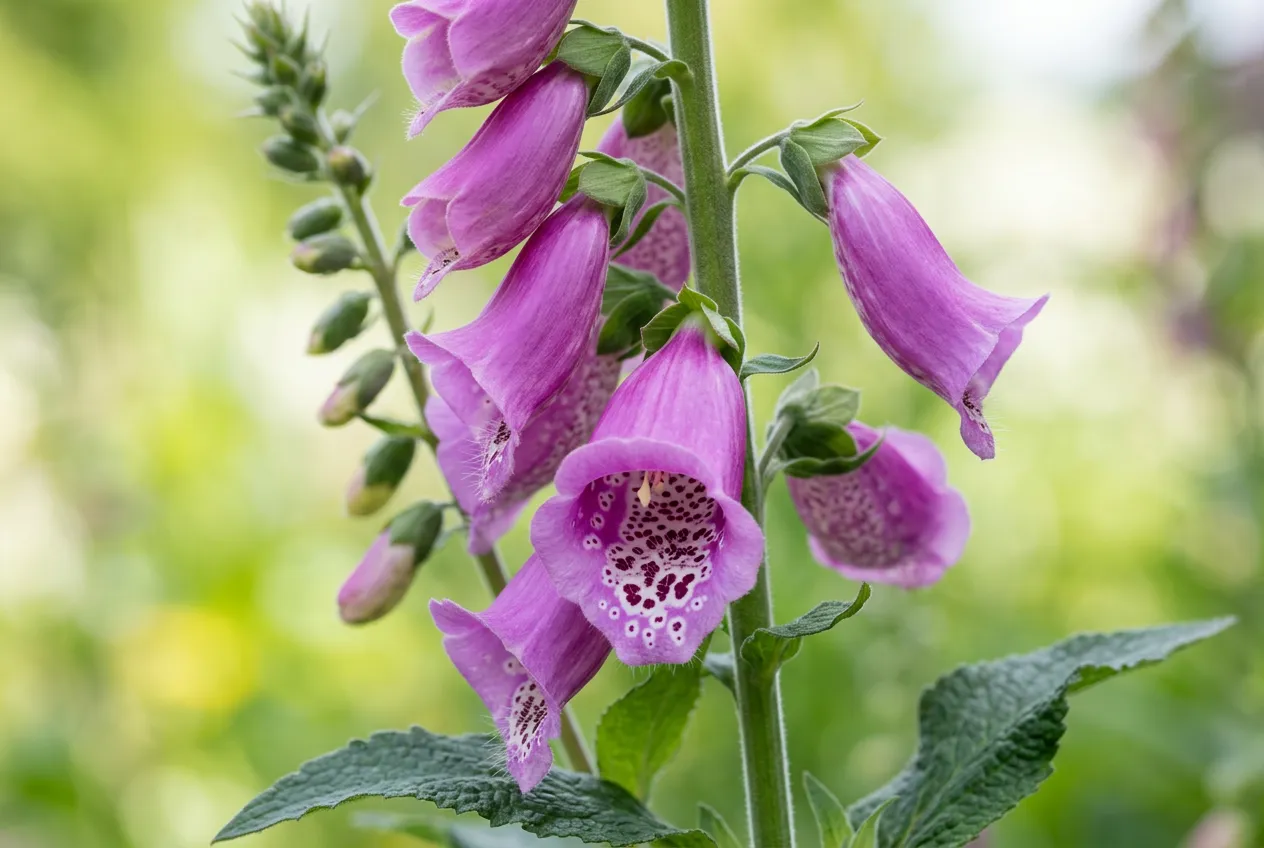
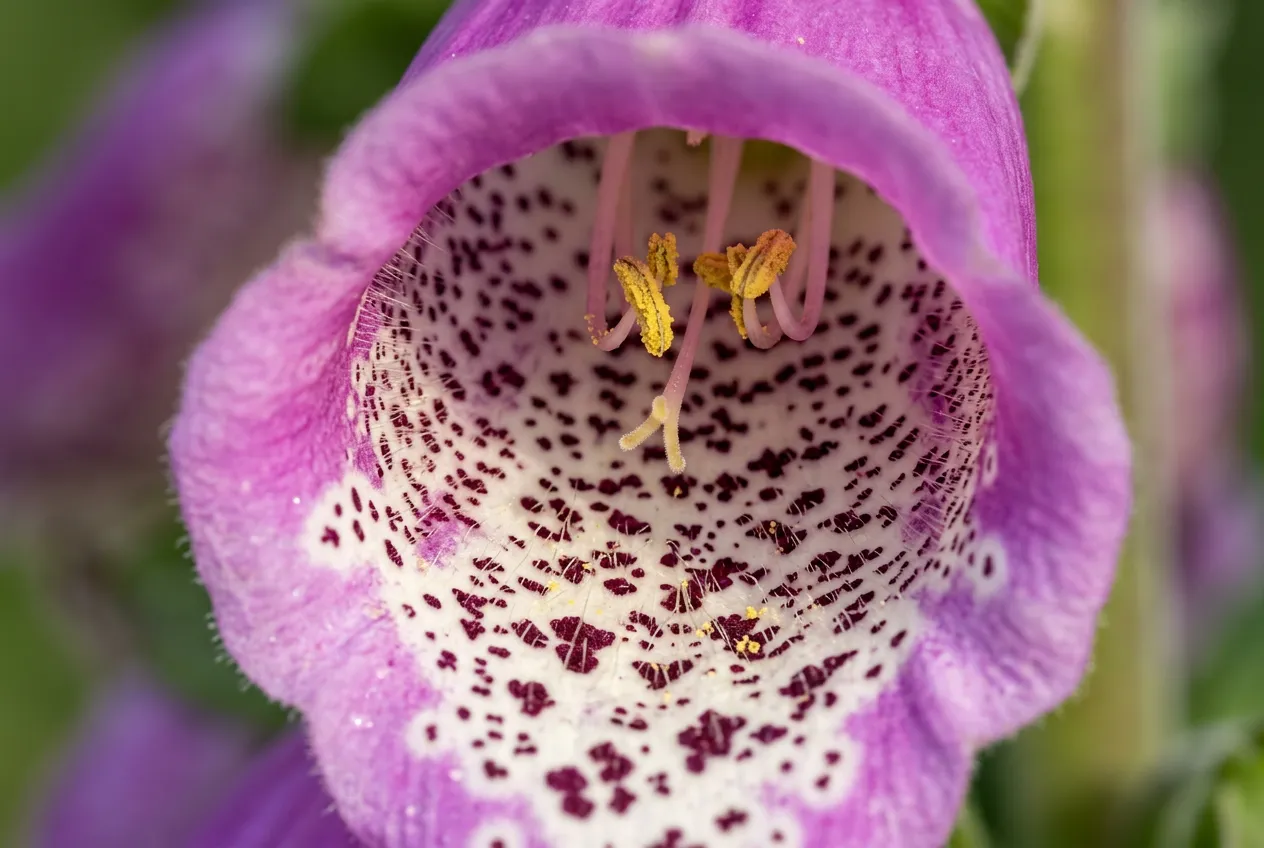
Foxglove contains cardiac glycosides similar to oleander. The entire plant is toxic, including the water in which cut flowers are placed. It can cause dangerous changes in heart rate and rhythm, and ingestion of any part should be treated as a medical emergency.
How to Identify
Tall plants reaching 2–5 feet with a spike of tubular, bell-shaped flowers. Flowers are purple, pink, white, or yellow, often spotted inside. Large, soft, fuzzy leaves form a basal rosette. Common in cottage gardens.
If Your Pet Ingests This Plant
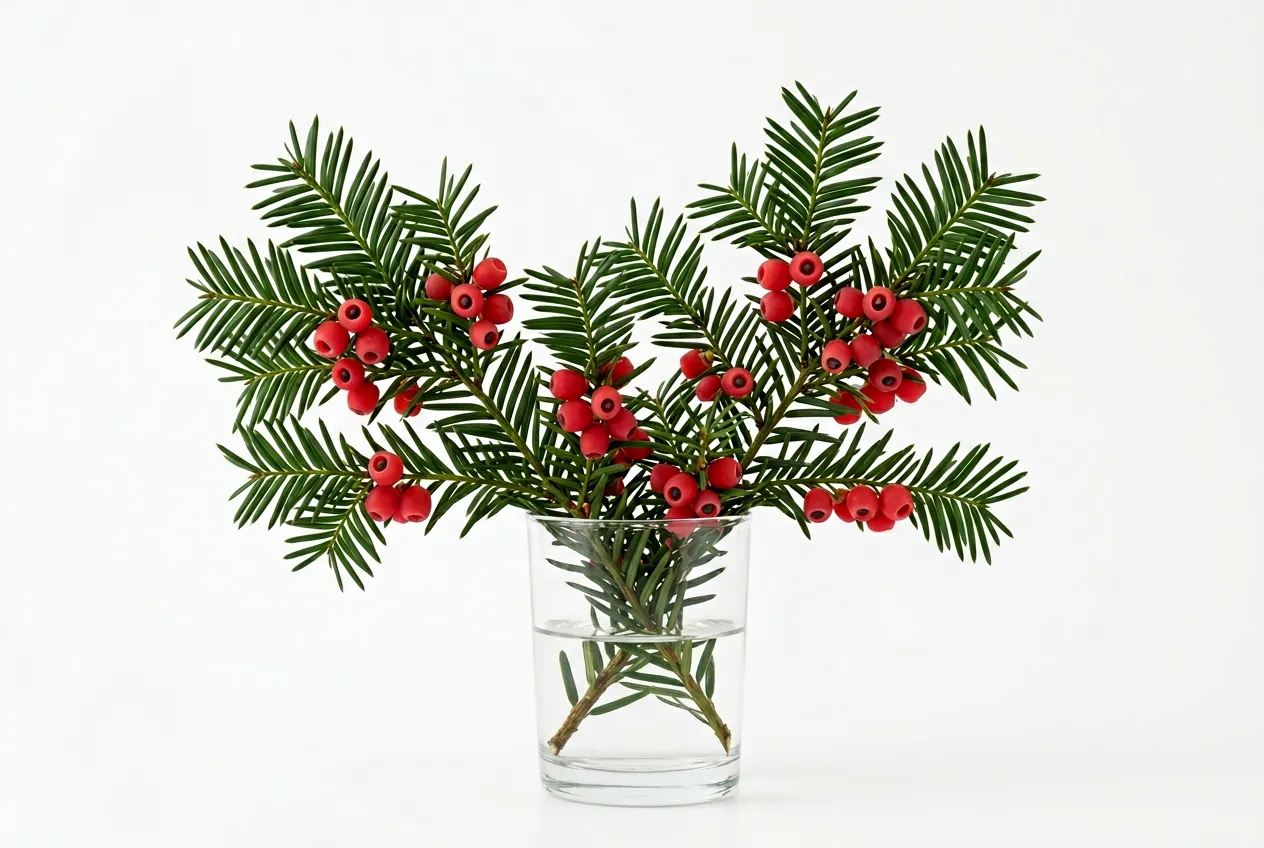
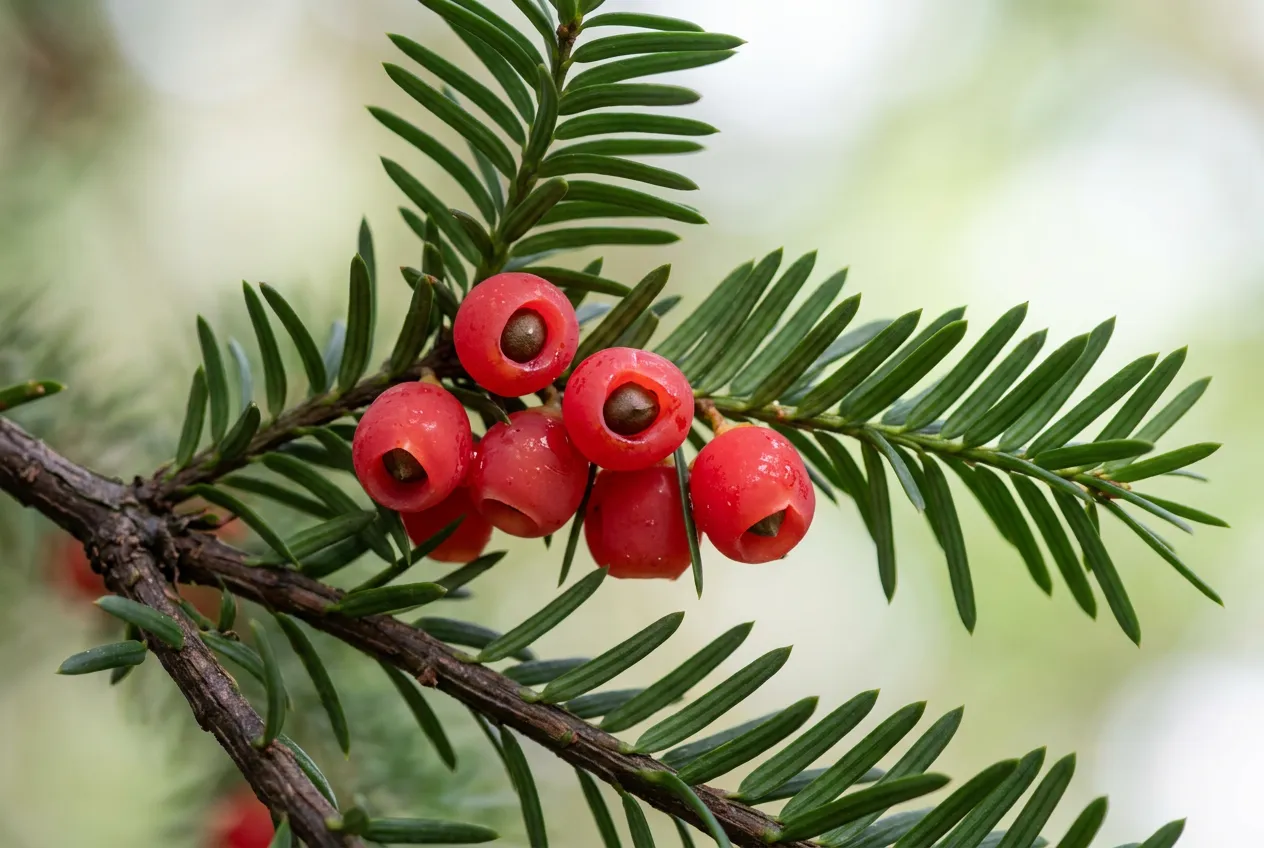
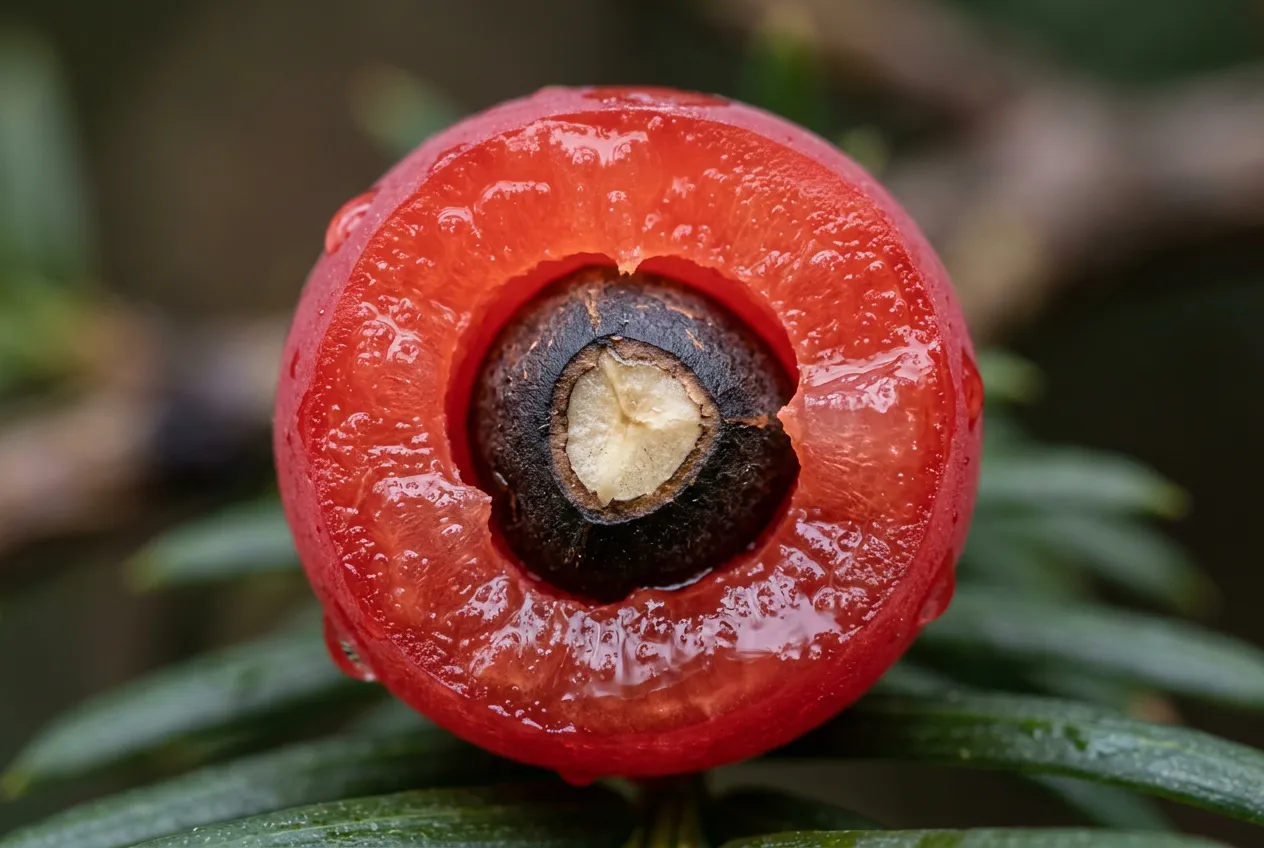
Nearly all parts of the yew plant contain taxine alkaloids, which cause cardiac arrest. The bright red berries attract pets and children, but the seeds inside are deadly. Death can occur within hours, sometimes with no prior symptoms.
How to Identify
Evergreen conifer with flat, dark green needles in two rows along branches. Bright red berry-like fruits (arils) partially enclose a dark seed. Common as hedging and foundation planting. Can grow as shrub or tree up to 60 feet.
If Your Pet Ingests This Plant
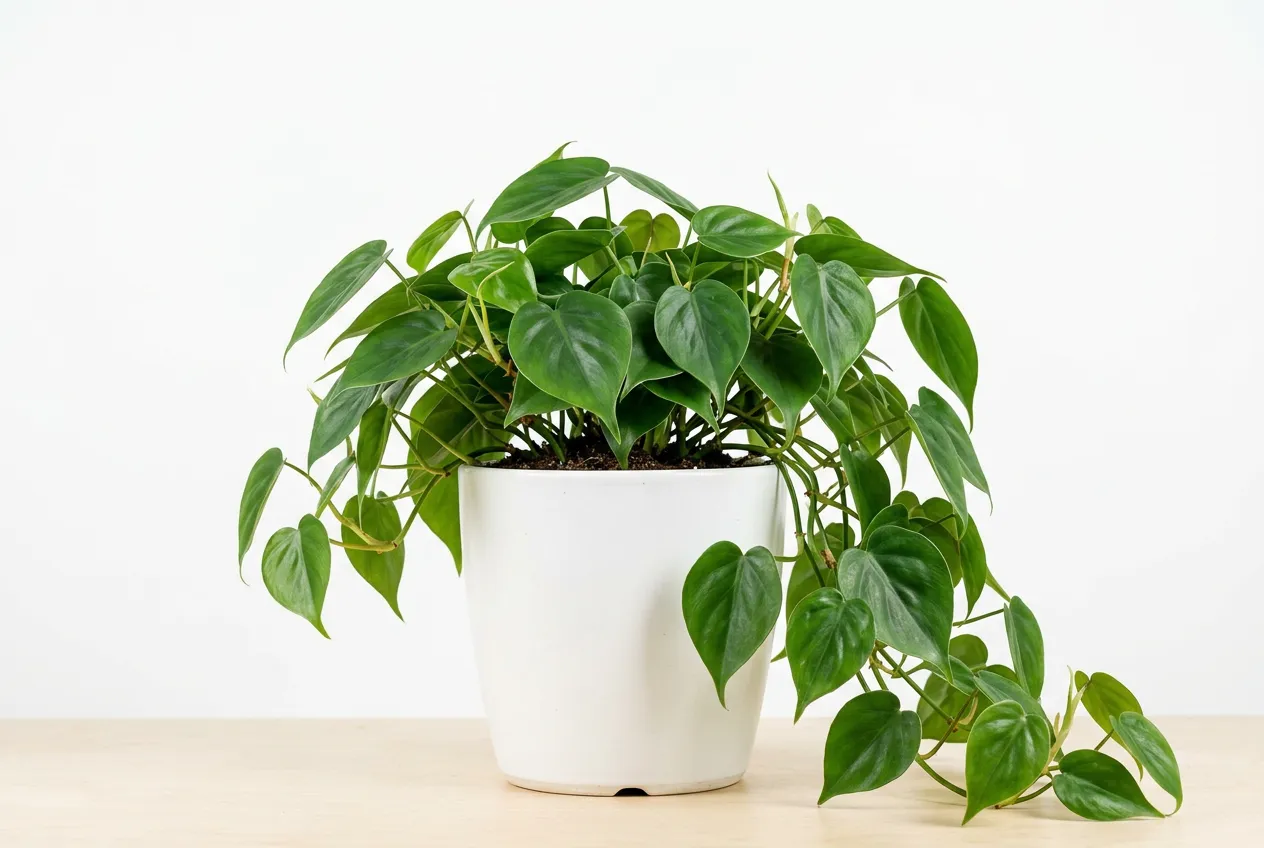
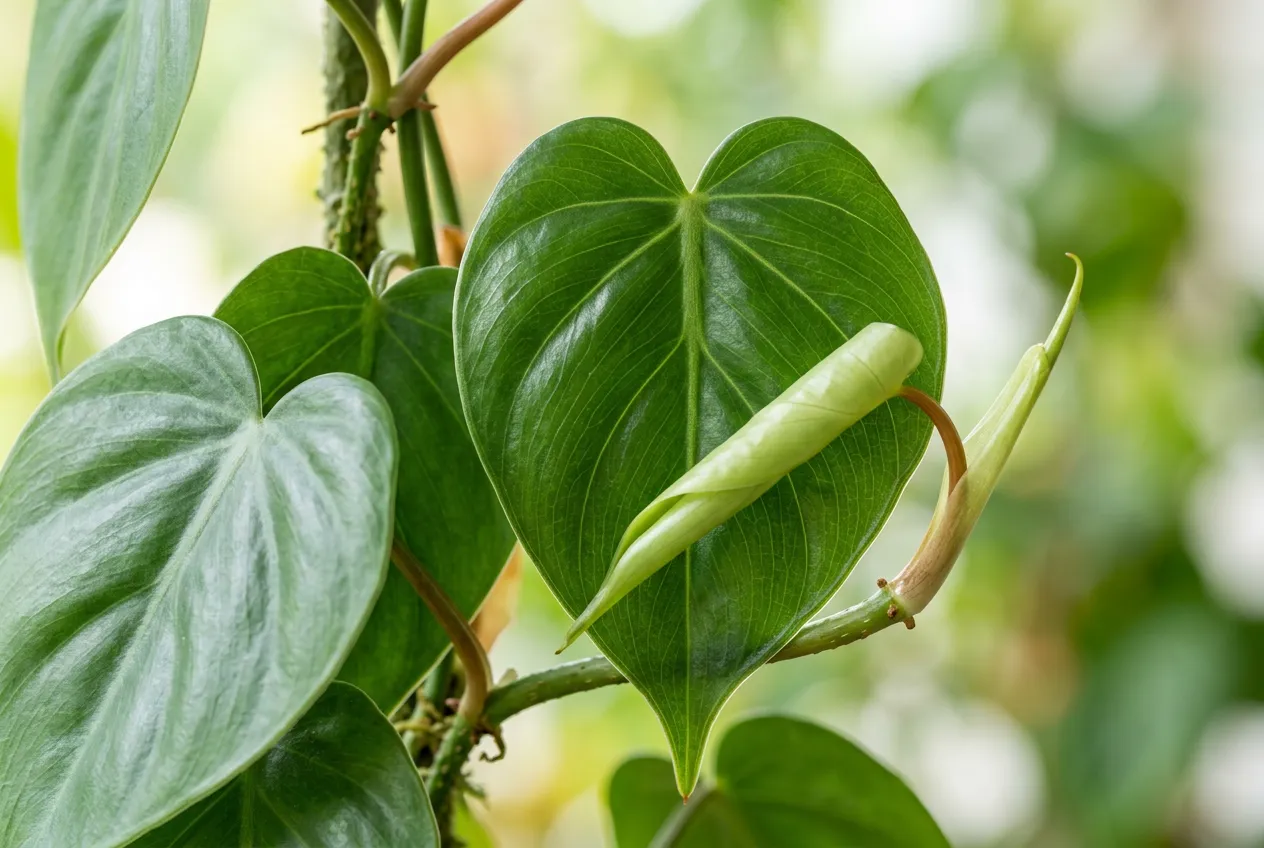
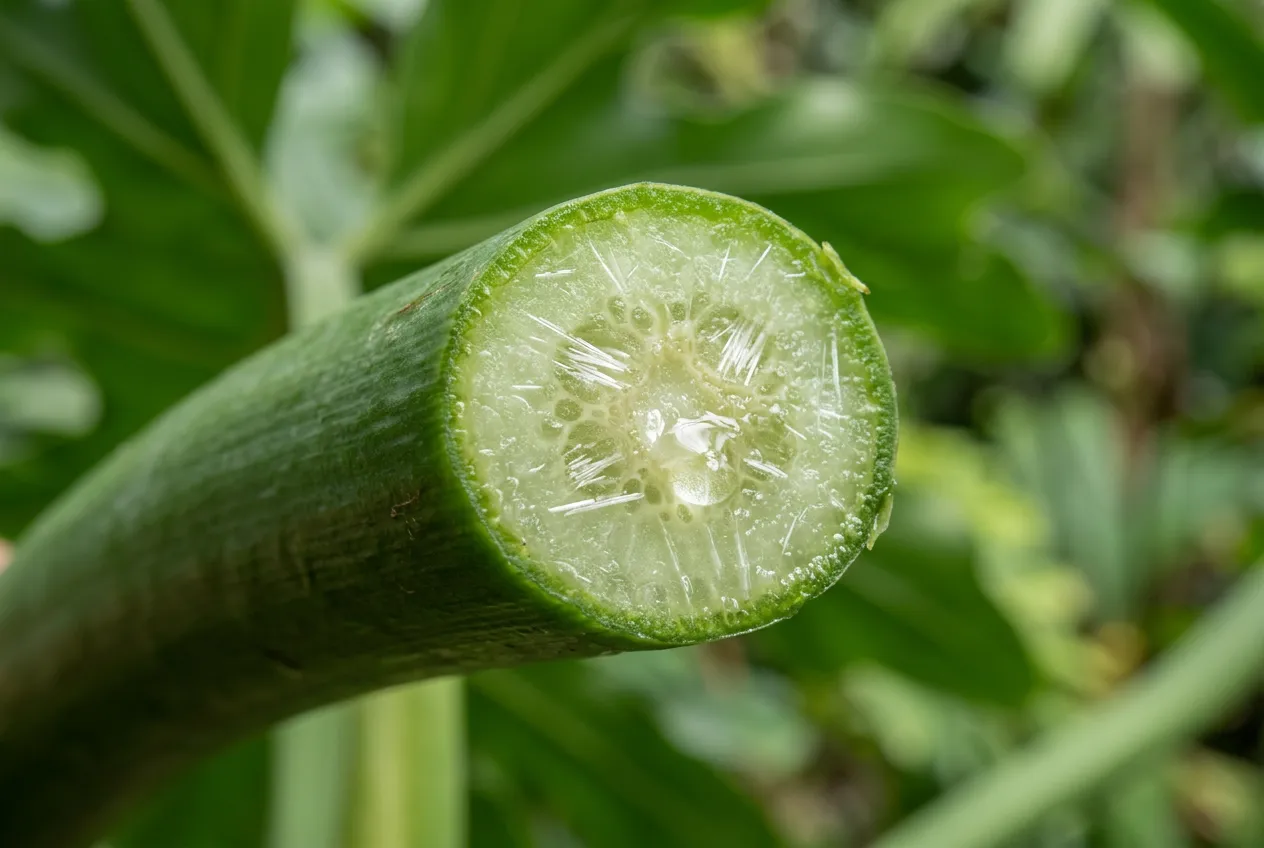
Philodendrons contain insoluble calcium oxalate crystals that are extremely irritating to the mouth and throat when chewed. Animals begin pawing at their mouth, foaming, drooling, or vomiting. While rarely fatal, severe swelling can cause breathing difficulty.
How to Identify
Trailing or climbing vine with glossy, heart-shaped green leaves. Varieties range from small-leaved vines to large split-leaf types. Very common indoor plant, often in hanging baskets or climbing moss poles.
If Your Pet Ingests This Plant
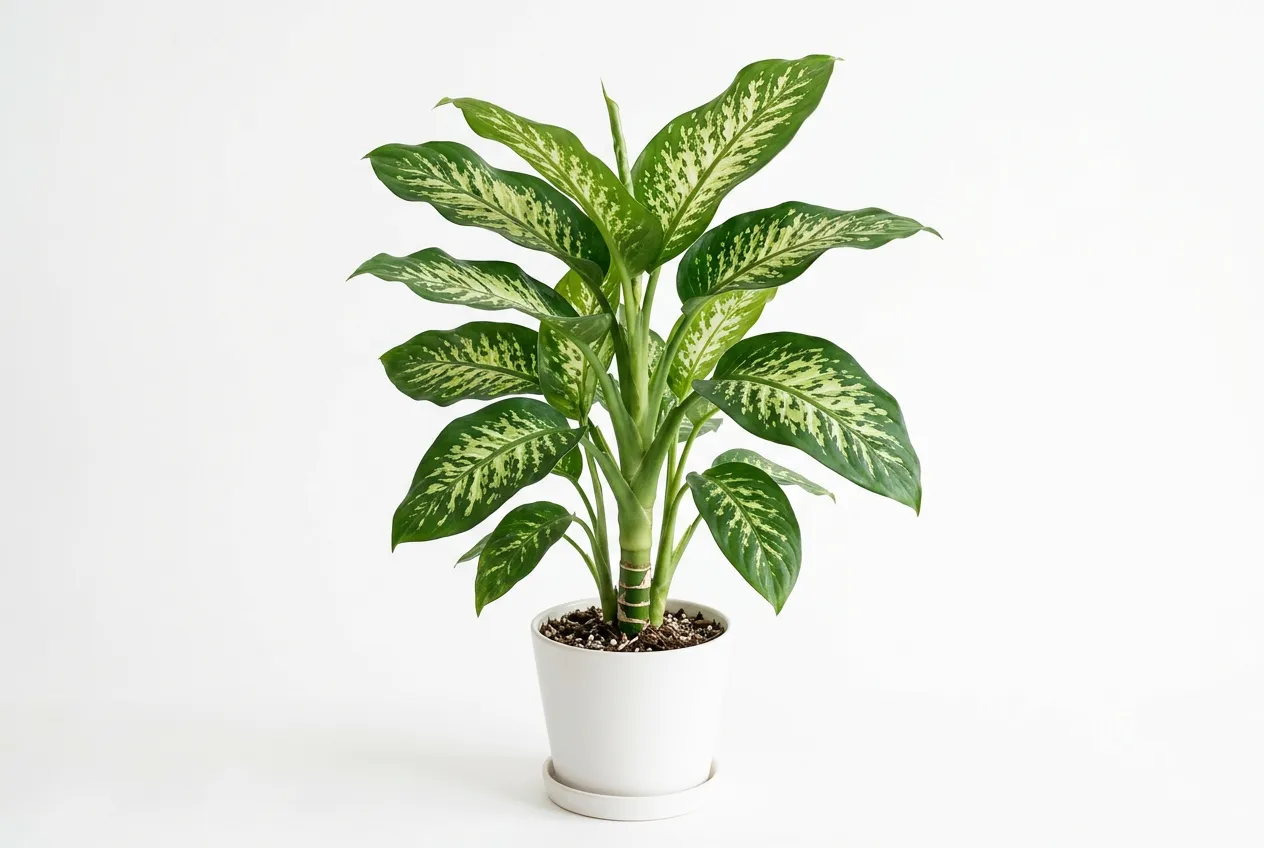
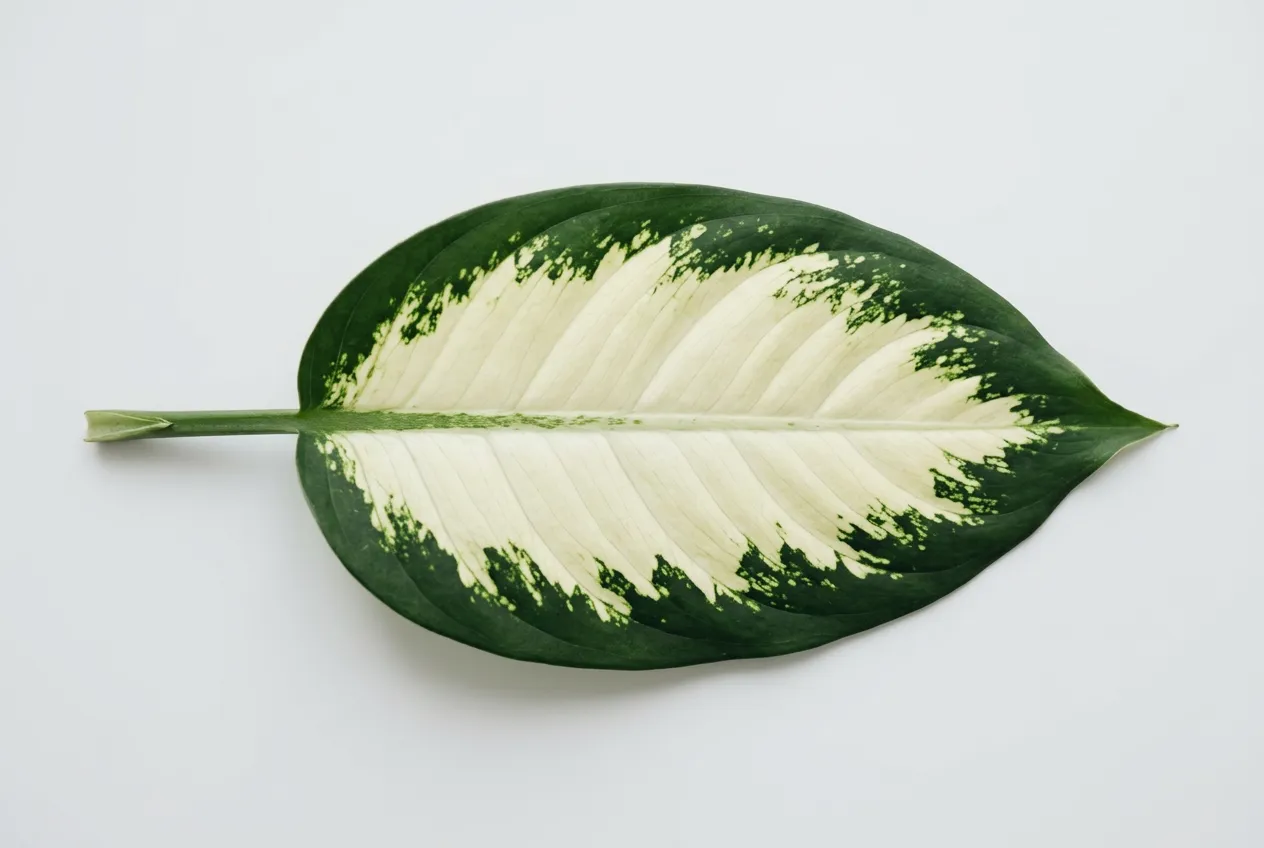
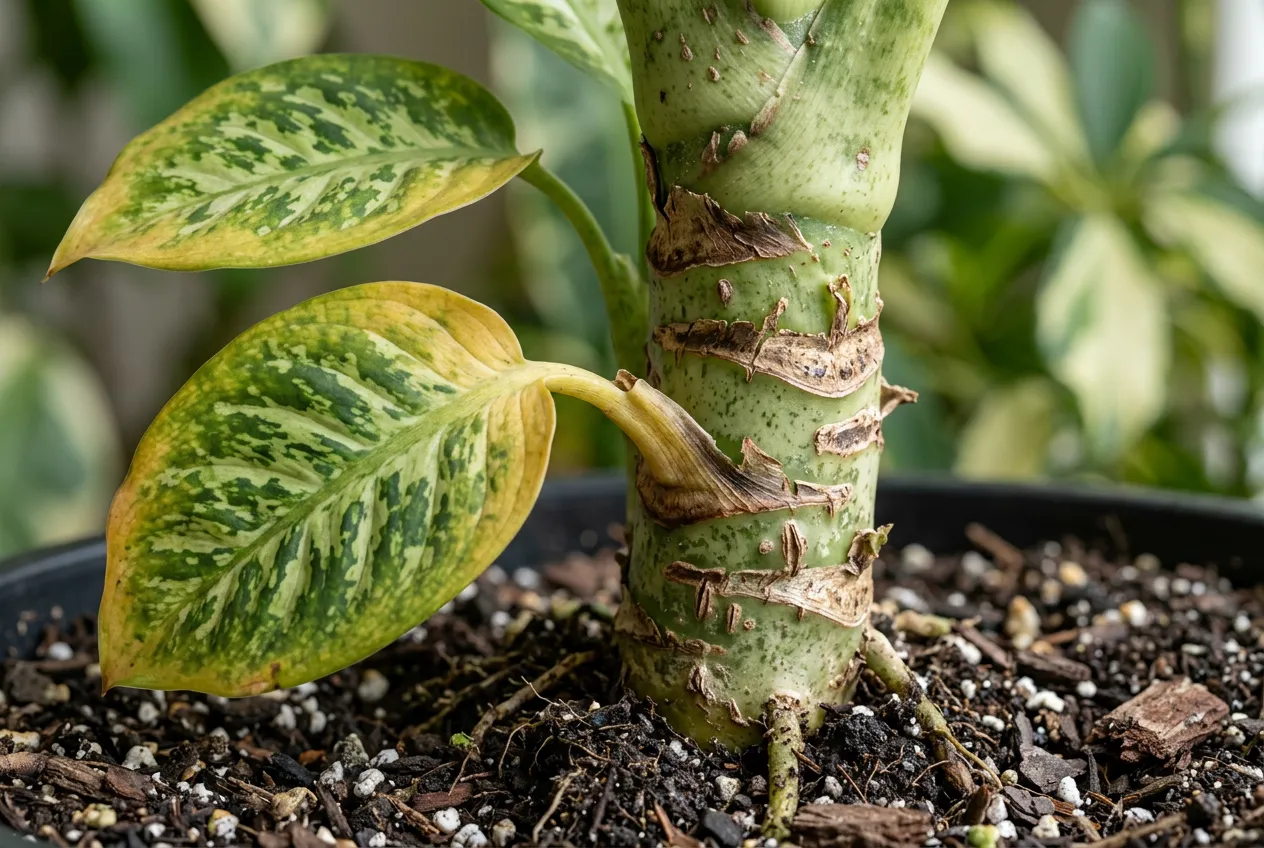
Like philodendrons, dieffenbachia contains calcium oxalate crystals. This popular houseplant causes intense oral irritation when chewed. The name “Dumb Cane” comes from the temporary inability to speak caused by intense mouth and throat swelling.
How to Identify
Upright tropical plant with large, broad leaves featuring patterns of green, cream, and white. Grows 3–6 feet tall indoors. Thick, fleshy stems. One of the most recognizable patterned-leaf houseplants.
If Your Pet Ingests This Plant
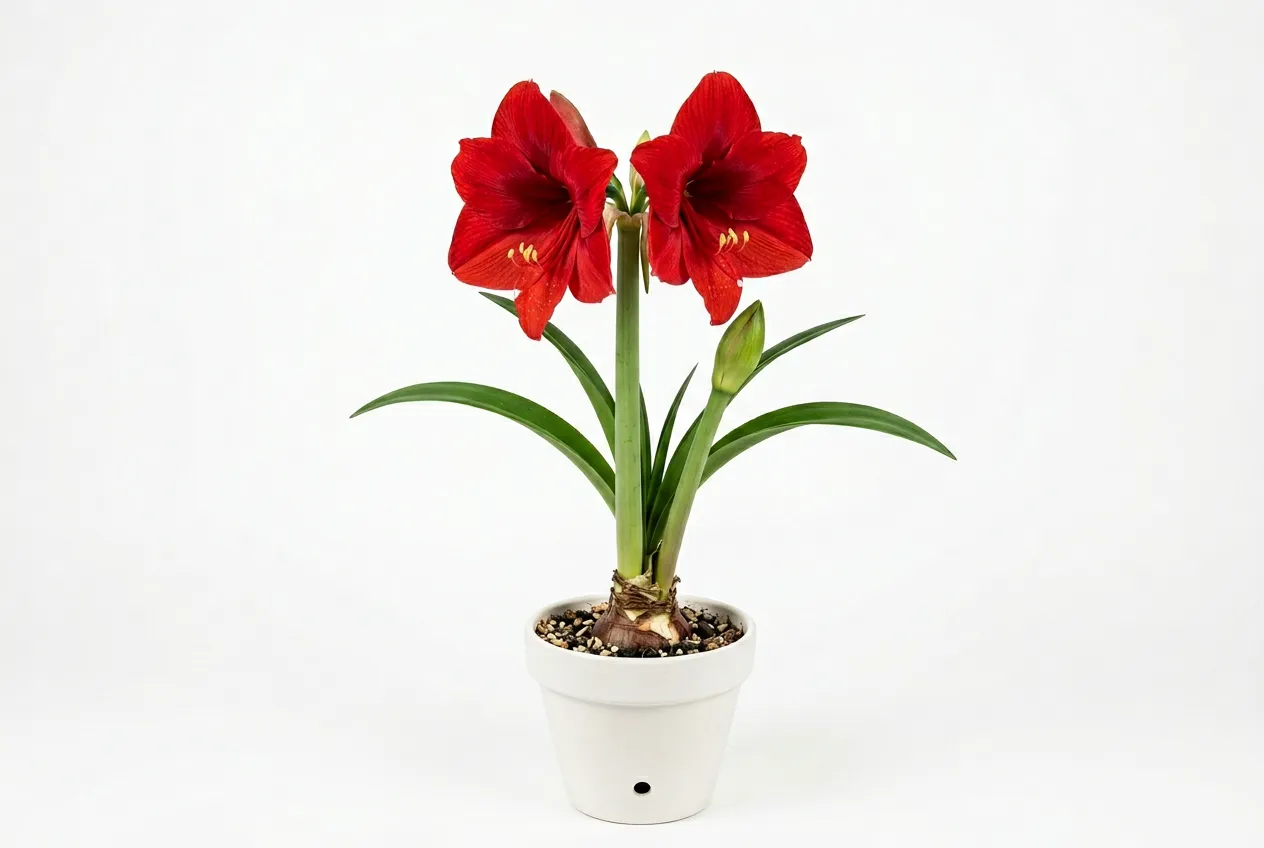
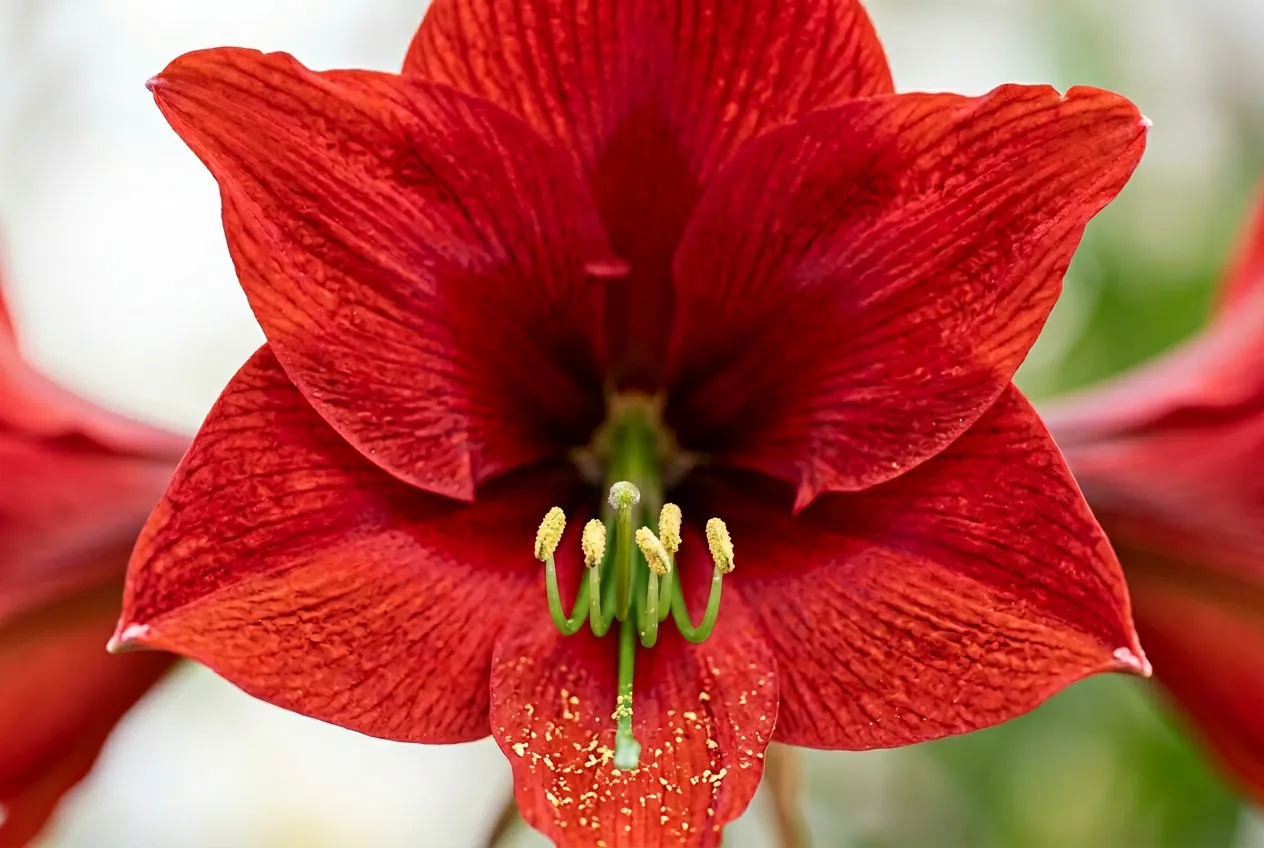
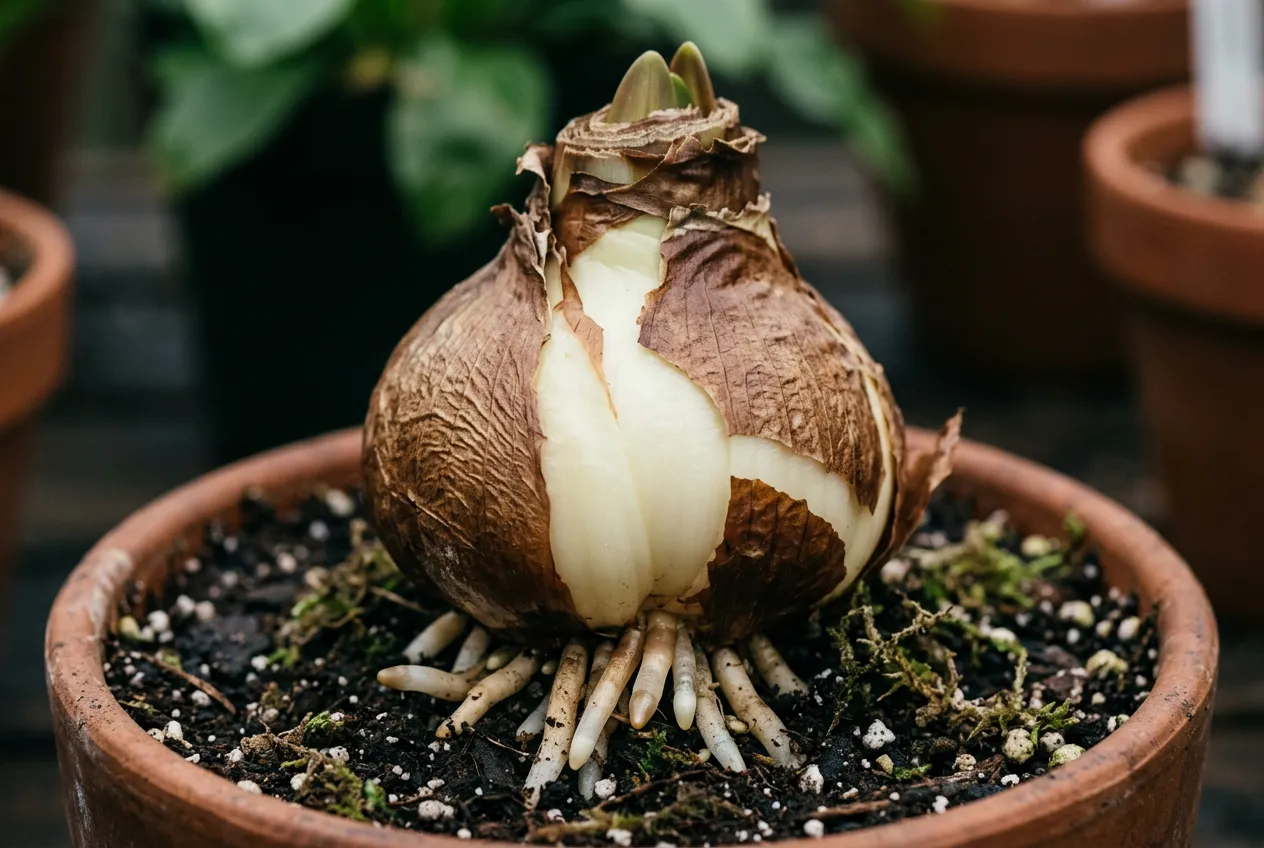
The amaryllis contains phenanthridine alkaloids and calcium oxalate crystals in its stems, leaves, and bulbs. These compounds cause a drop in blood pressure, abdominal discomfort, vomiting, and drooling. The bulb is the most concentrated source of toxins.
How to Identify
Large, showy trumpet-shaped flowers atop a thick, hollow stalk 1–2 feet tall. Flowers are red, pink, white, salmon, or striped. Strap-like green leaves from a large papery-skinned bulb. Very popular as a holiday gift.
If Your Pet Ingests This Plant
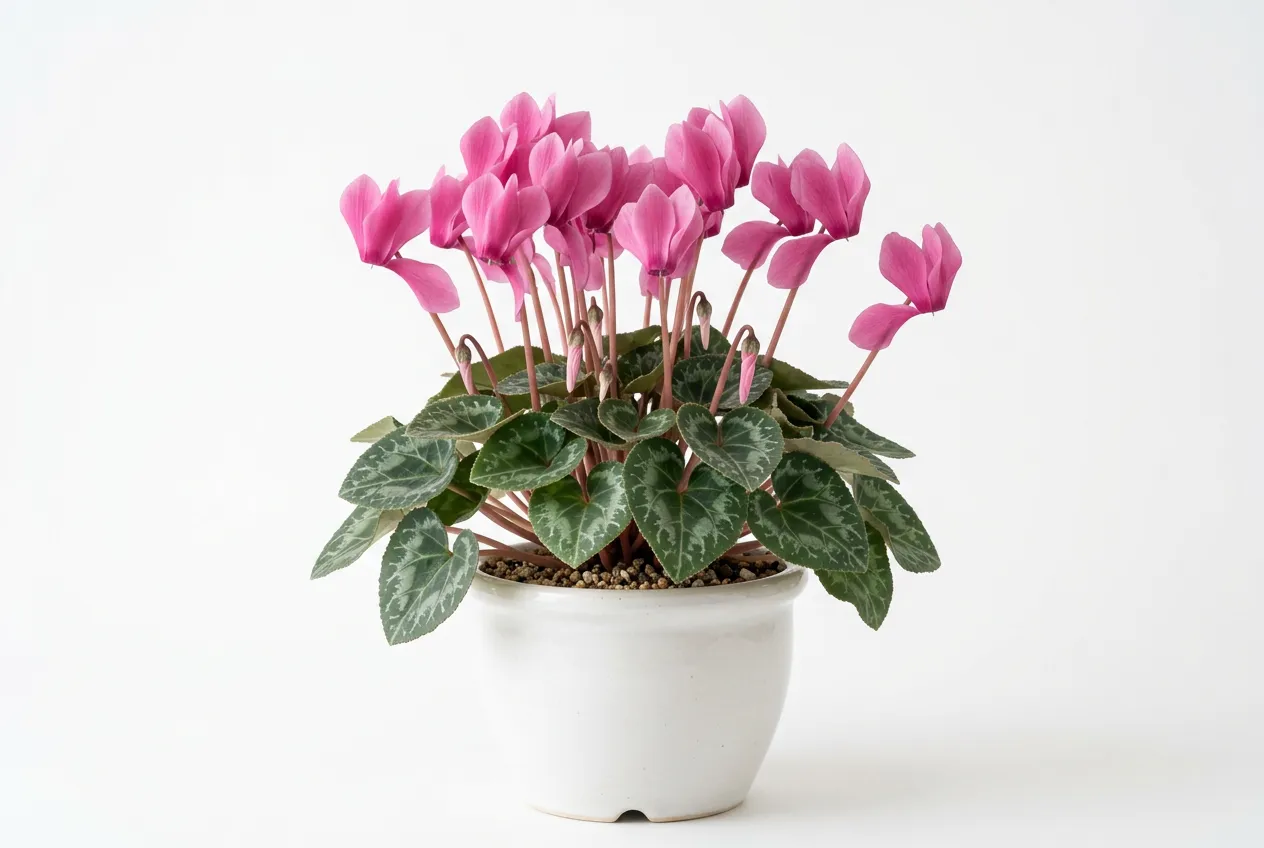
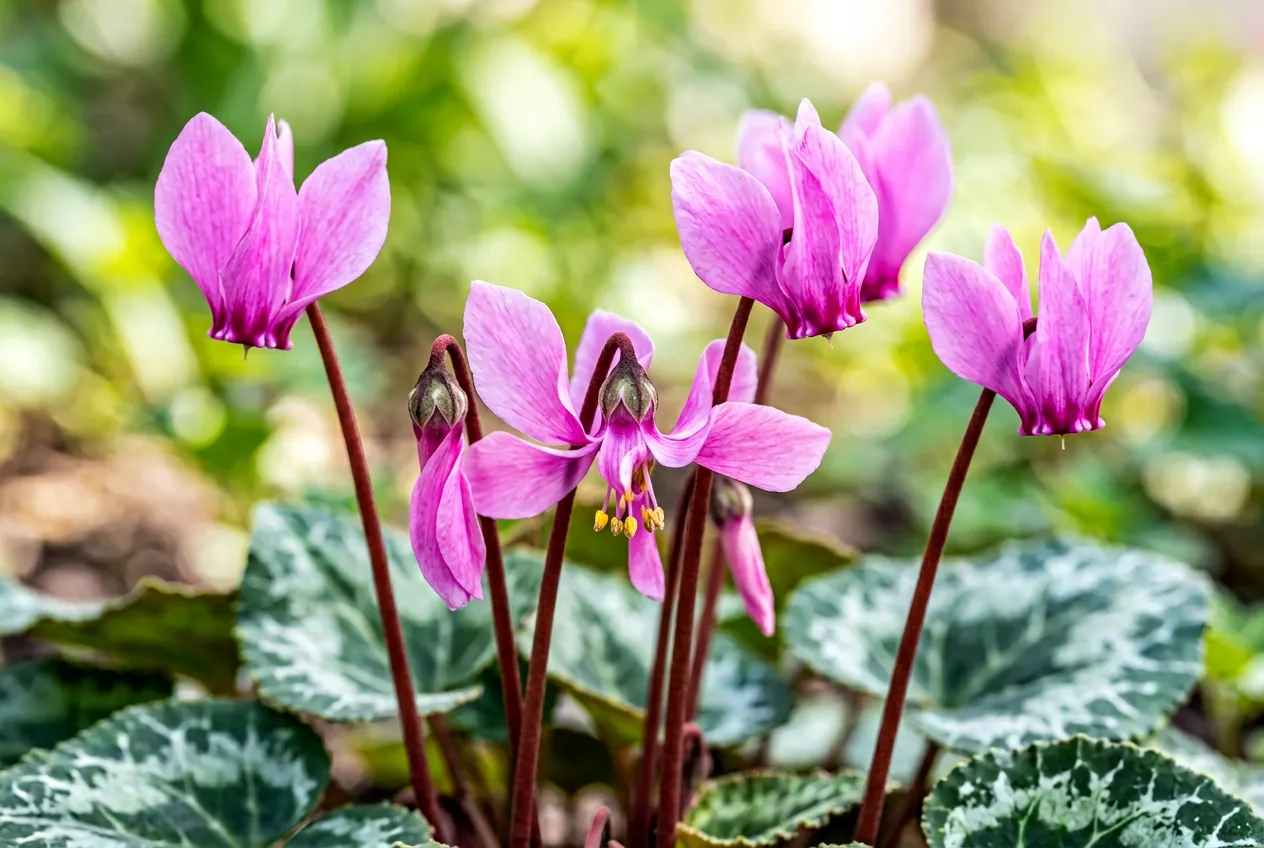
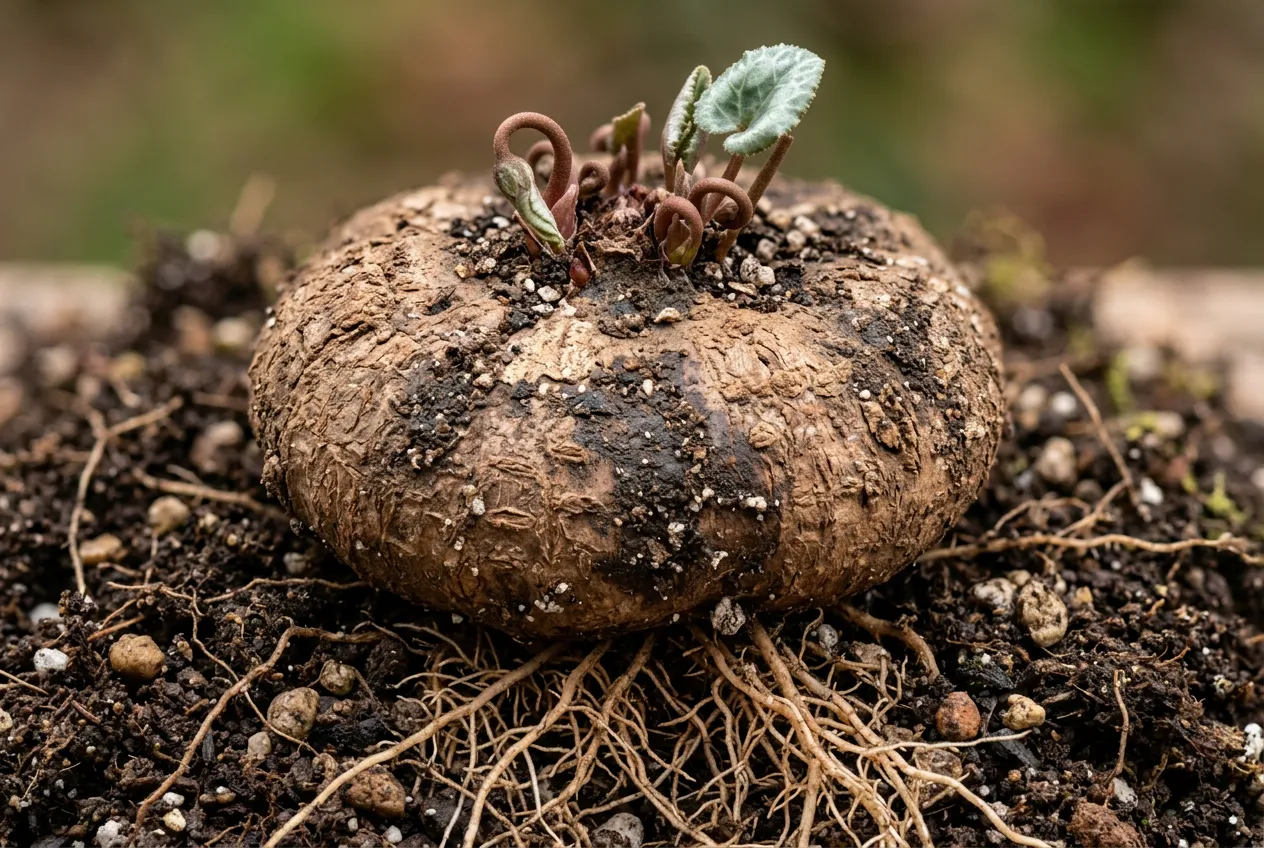
This flowering houseplant is commonly sold in grocery stores. Small amounts cause vomiting, diarrhea, and drooling. Larger amounts, particularly the tubers, can alter heart rate and rhythm and cause seizures. All parts are toxic.
How to Identify
Compact plant 6–12 inches tall with rounded, heart-shaped leaves often marked with silver patterns. Distinctive swept-back flowers in pink, red, purple, or white. Grows from a flat, round tuber.
If Your Pet Ingests This Plant
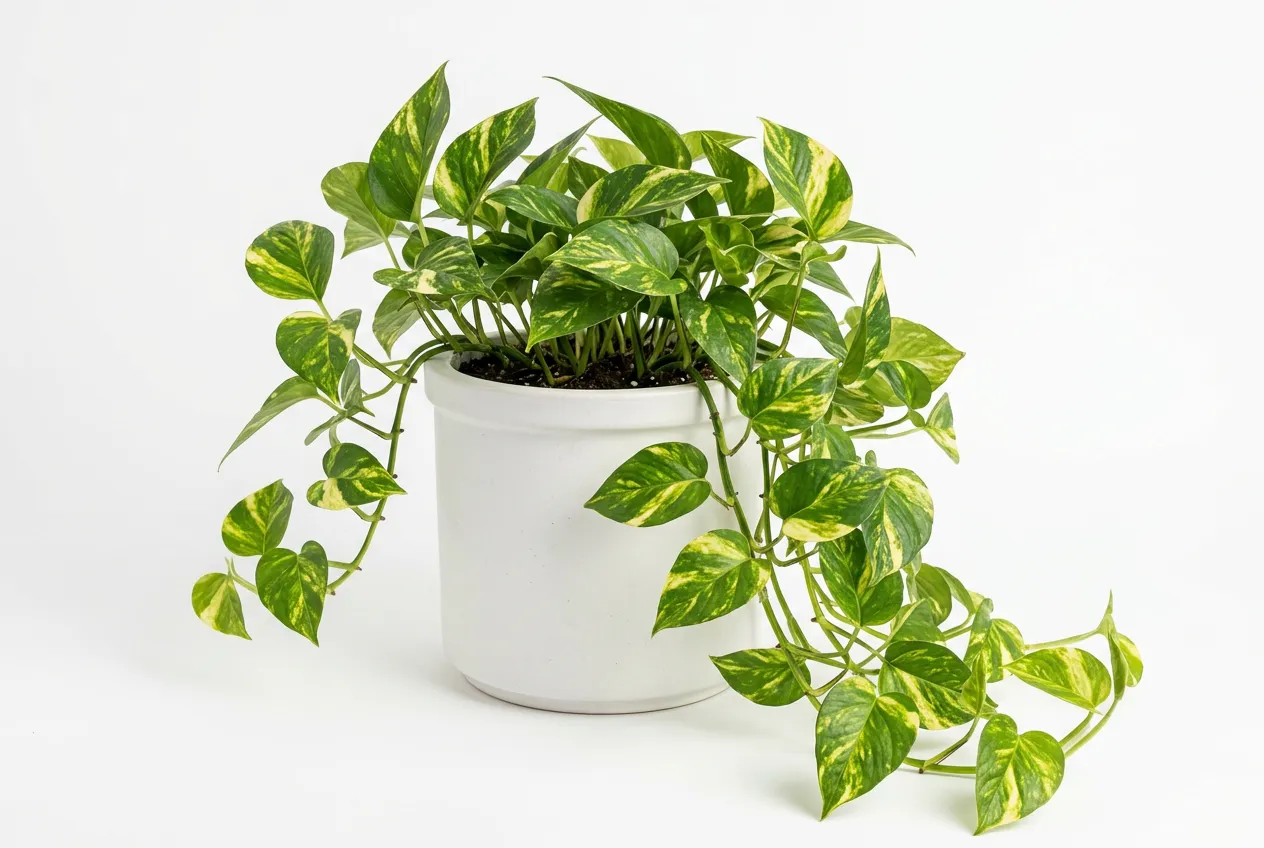
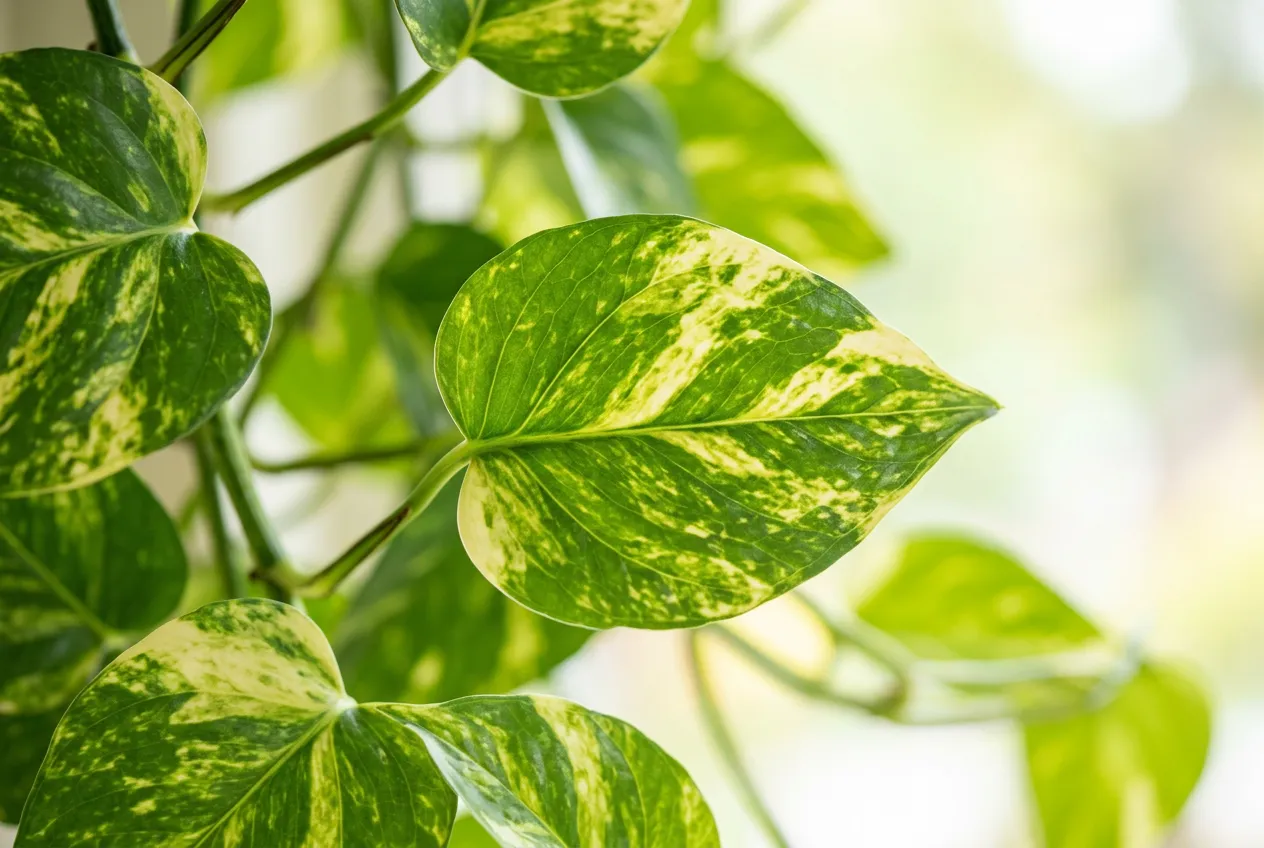
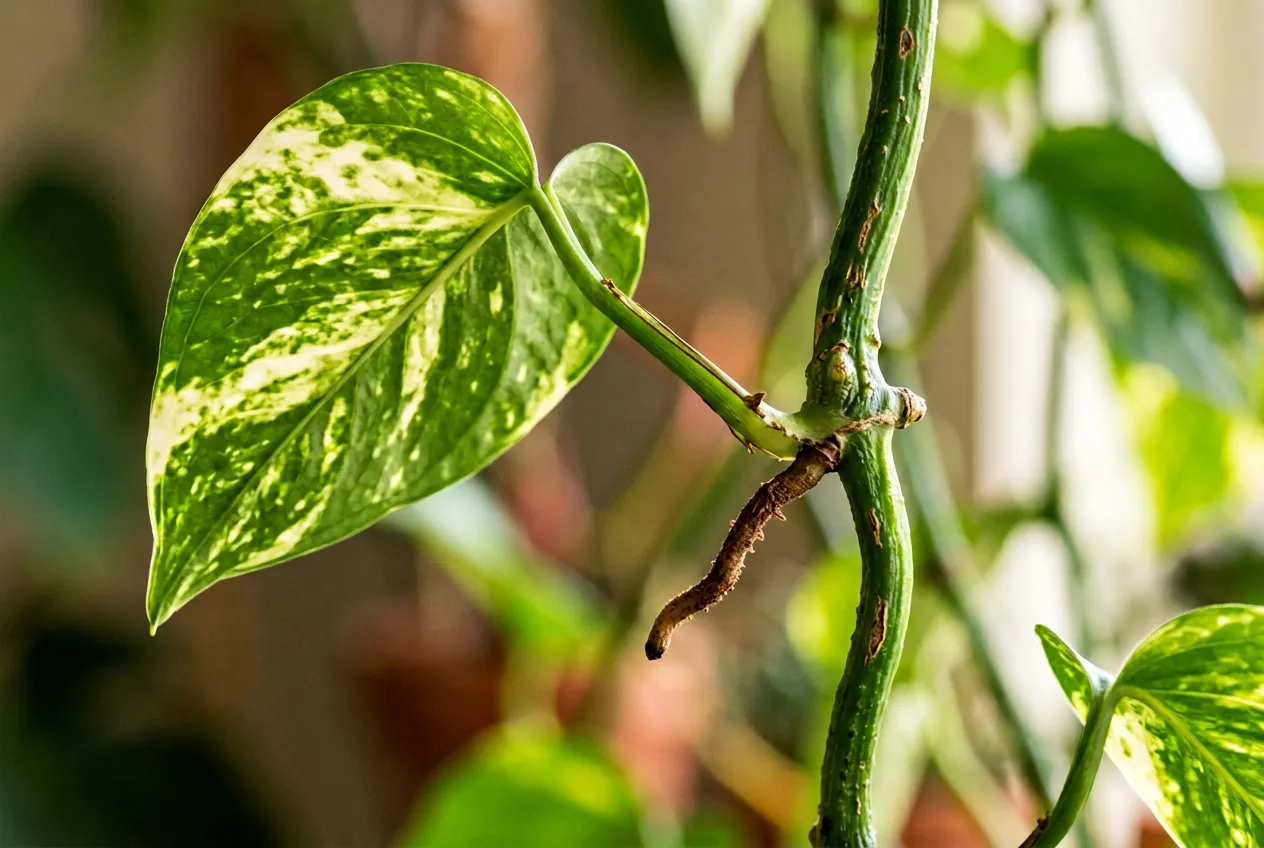
One of the most popular houseplants, pothos contains insoluble calcium oxalates. Chewing the leaves causes immediate oral pain, drooling, and swelling. While rarely life-threatening, the intense discomfort requires veterinary attention.
How to Identify
Trailing or climbing vine with waxy, heart-shaped leaves 4–8 inches long. Varieties include solid green, golden-variegated, marble, and neon lime. Grows fast in low light. Often in hanging baskets and offices.
If Your Pet Ingests This Plant
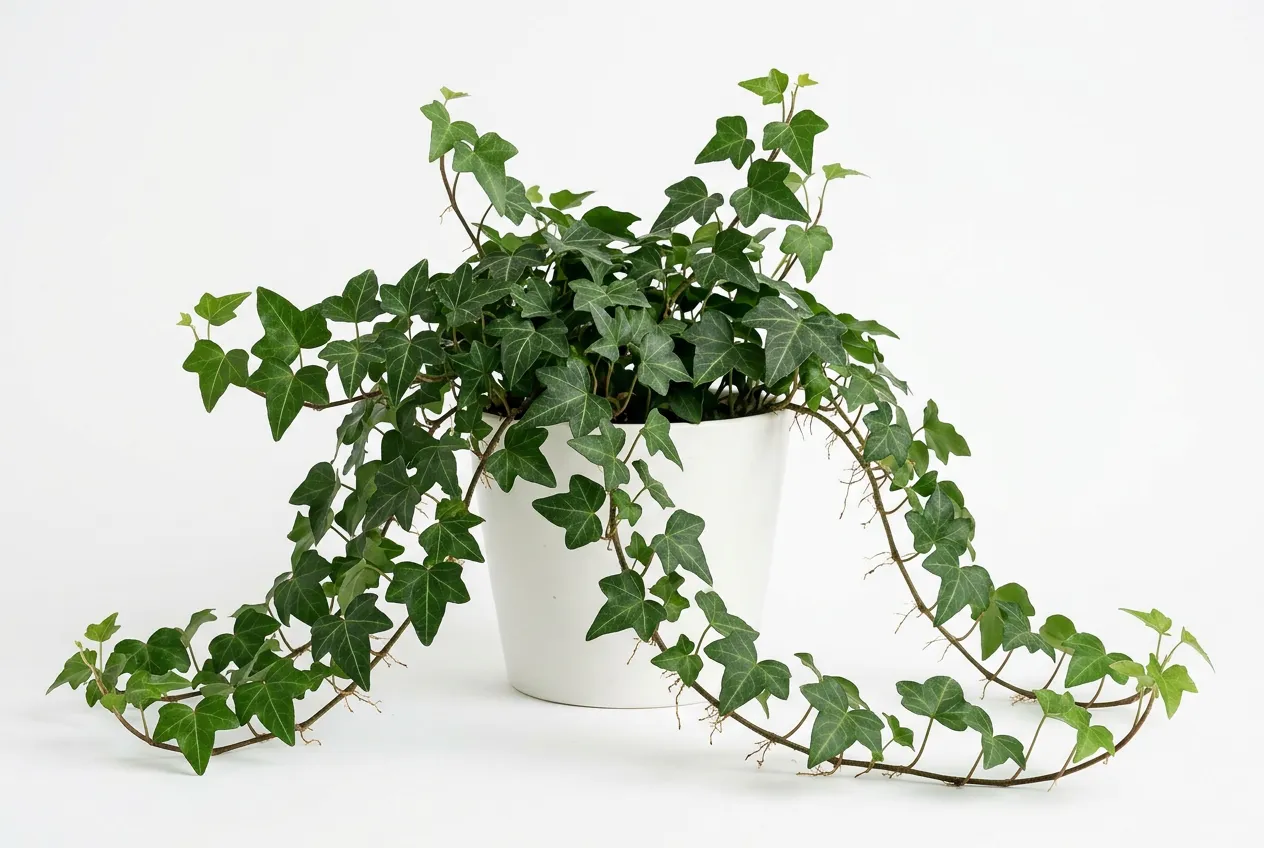
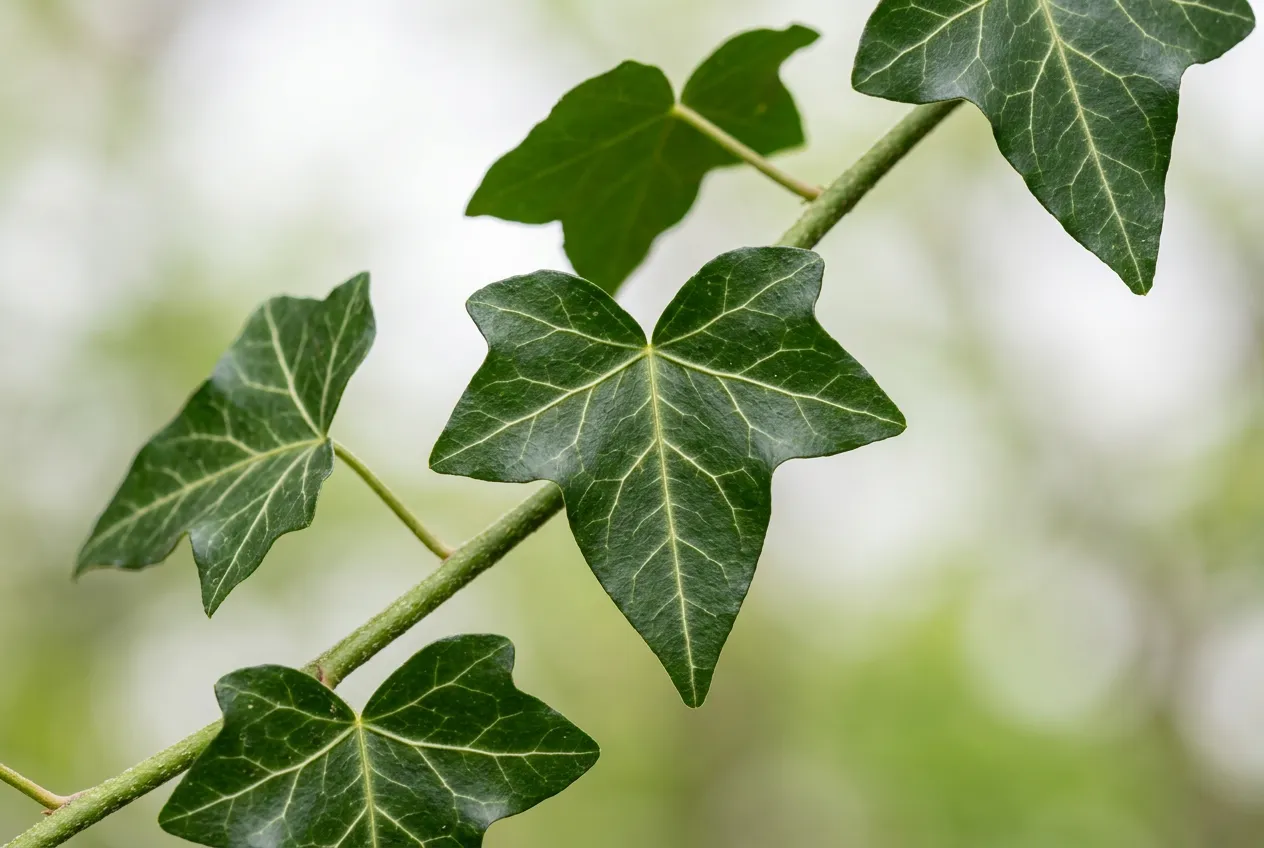
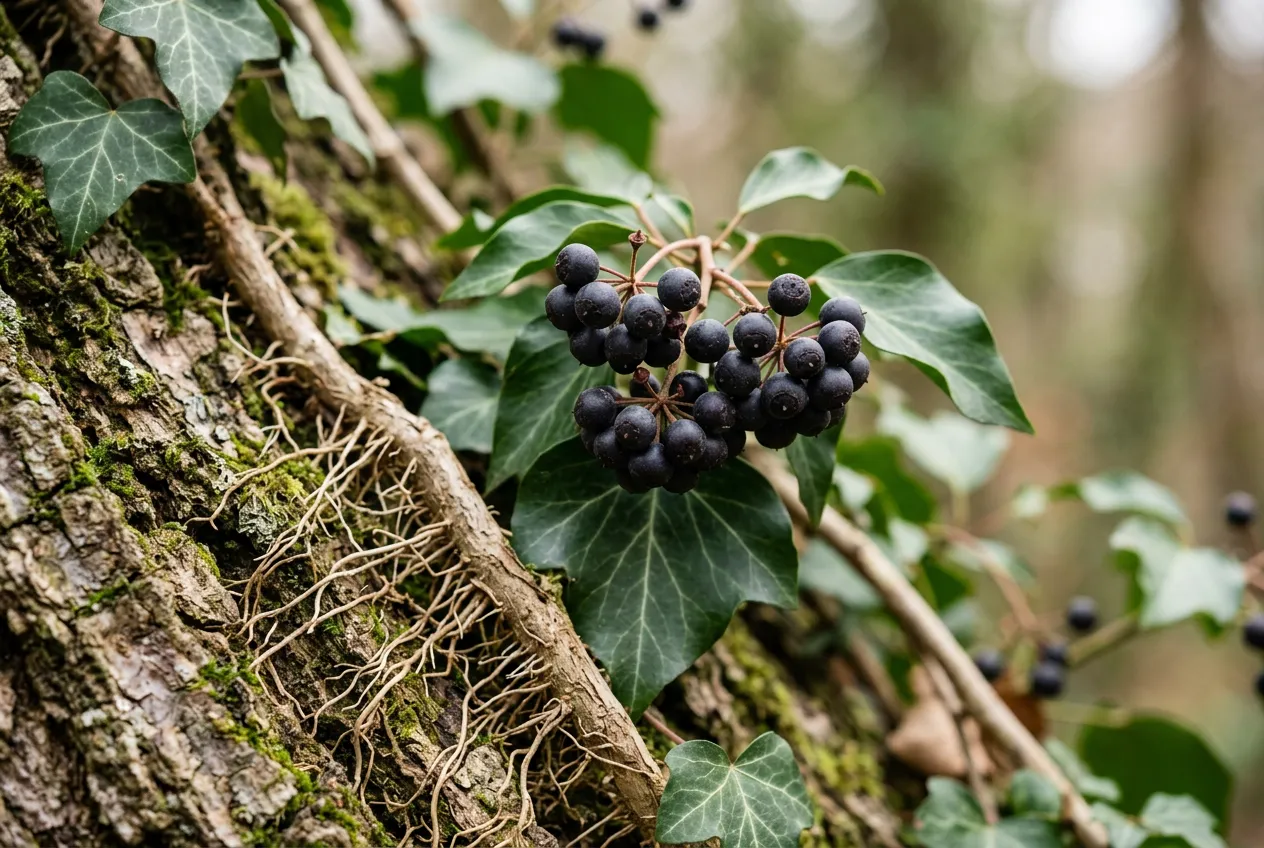
English ivy contains triterpenoid saponins toxic to dogs and cats. The leaves are more toxic than the berries. Ingestion causes excessive drooling, vomiting, diarrhea, and abdominal pain. Skin contact with sap can also cause dermatitis.
How to Identify
Climbing or trailing vine with distinctive 3–5 lobed, dark green, waxy leaves. Climbs walls using aerial rootlets. Produces small black berries. Extremely common indoors and outdoors as ground cover.
If Your Pet Ingests This Plant
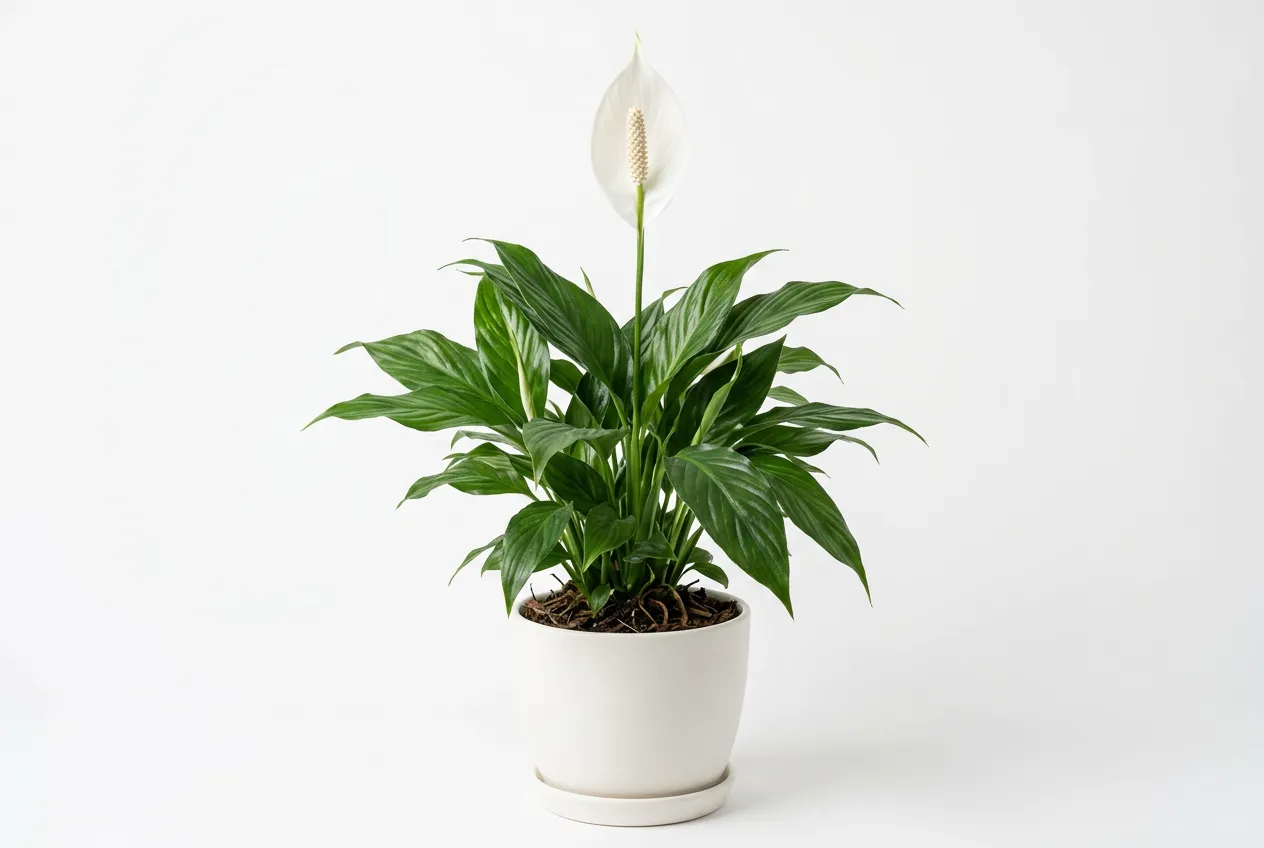
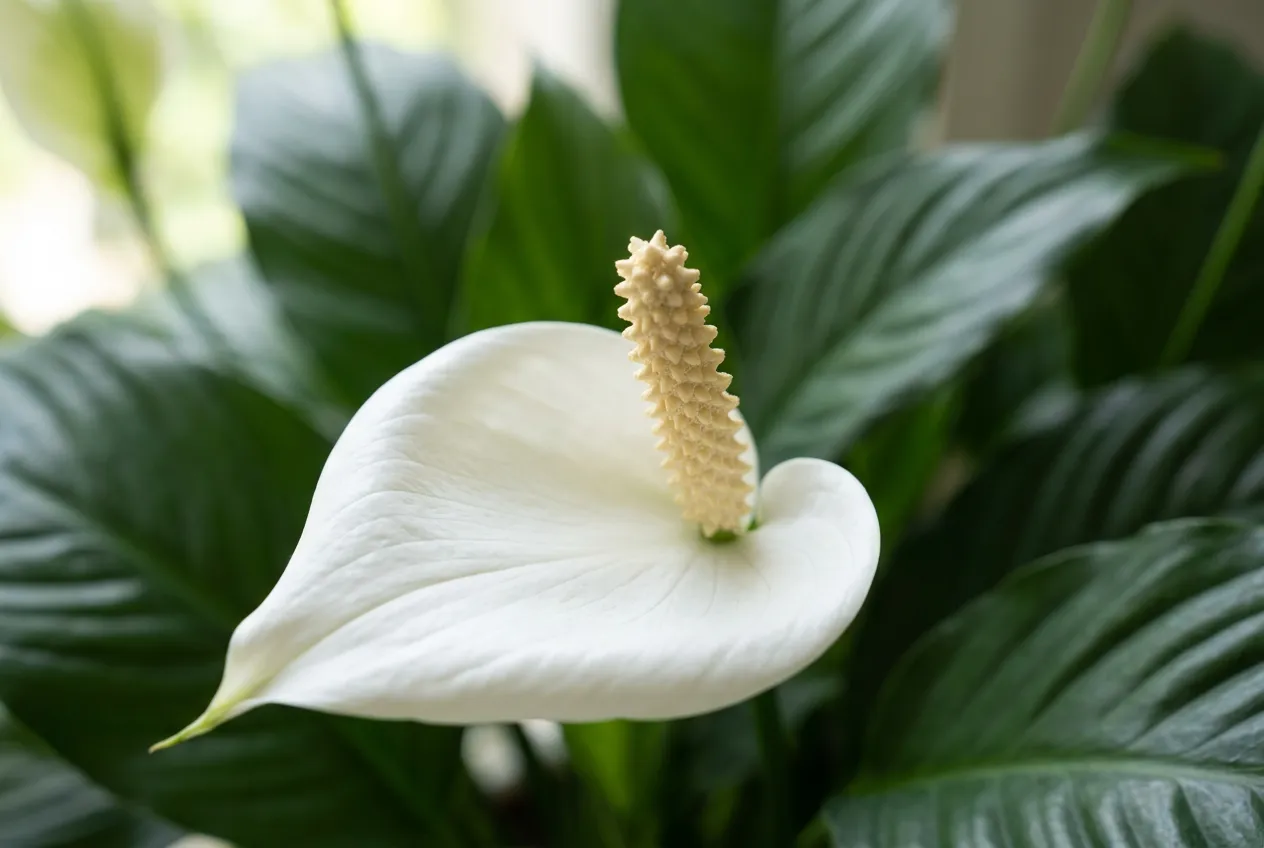
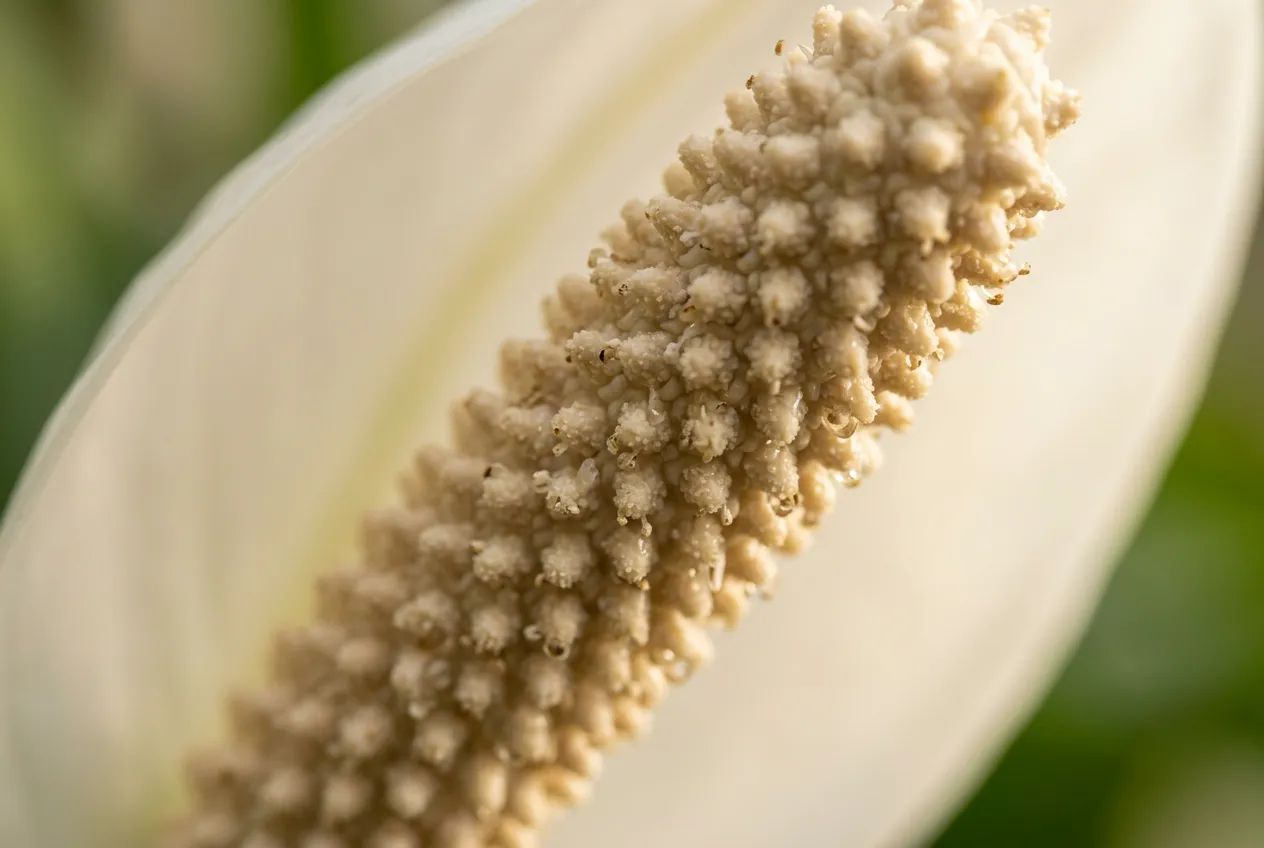
Despite its name, the peace lily is not a true lily and does not cause kidney failure. However, it contains calcium oxalate crystals that cause intense oral irritation, drooling, vomiting, and difficulty swallowing. One of the most common plants in poisoning calls.
How to Identify
Dark green, glossy, lance-shaped leaves in dense clumps, 1–4 feet tall. Distinctive white, sail-shaped flowers surrounding a cream spike. Thrives in low light. Very popular office and home plant.
If Your Pet Ingests This Plant
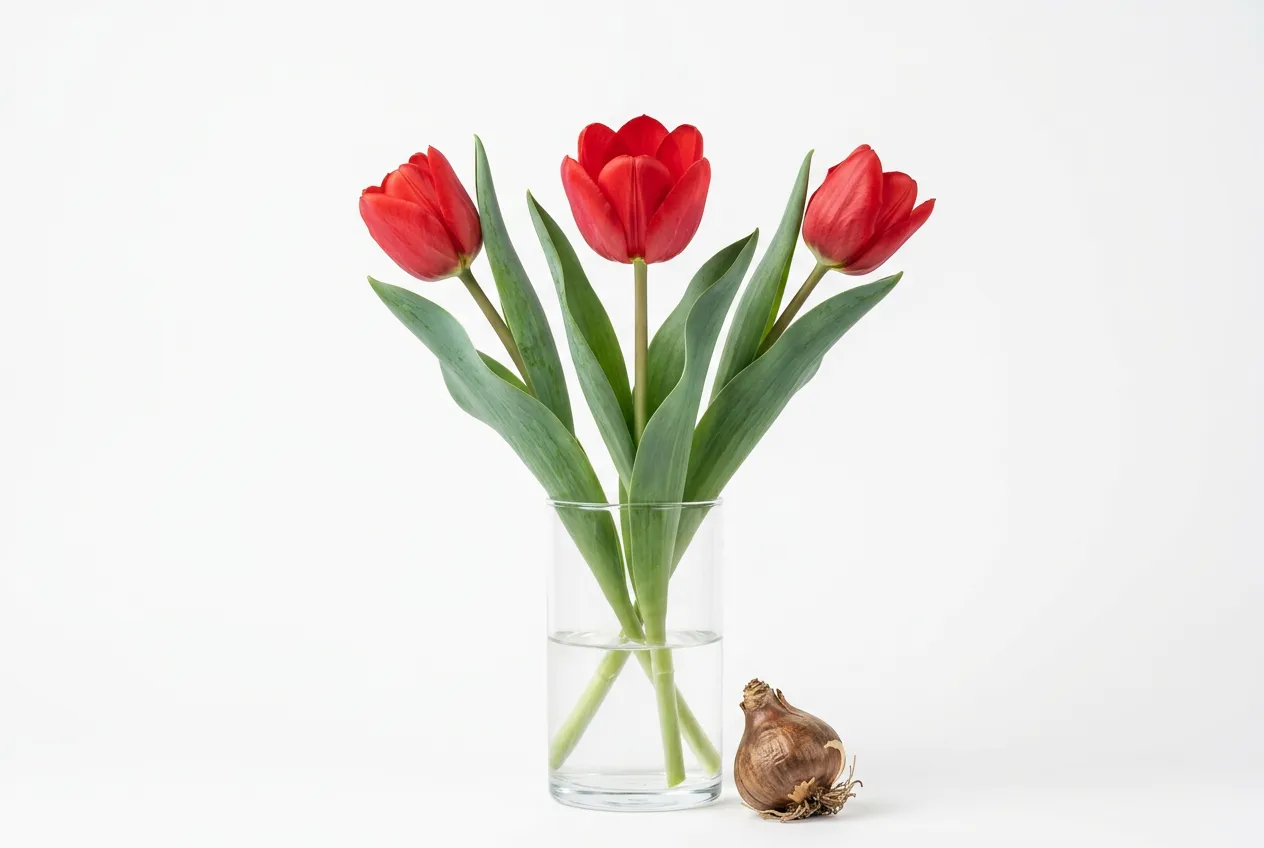
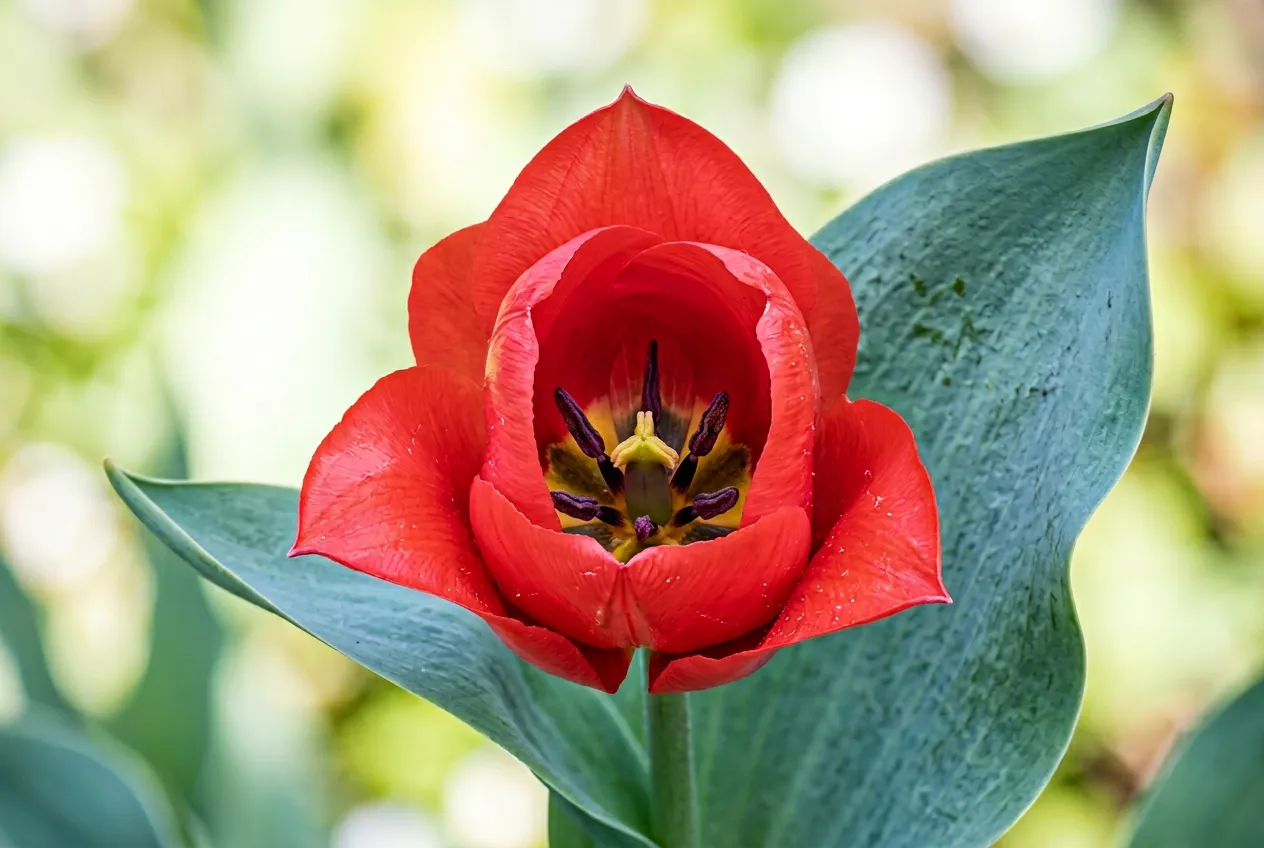
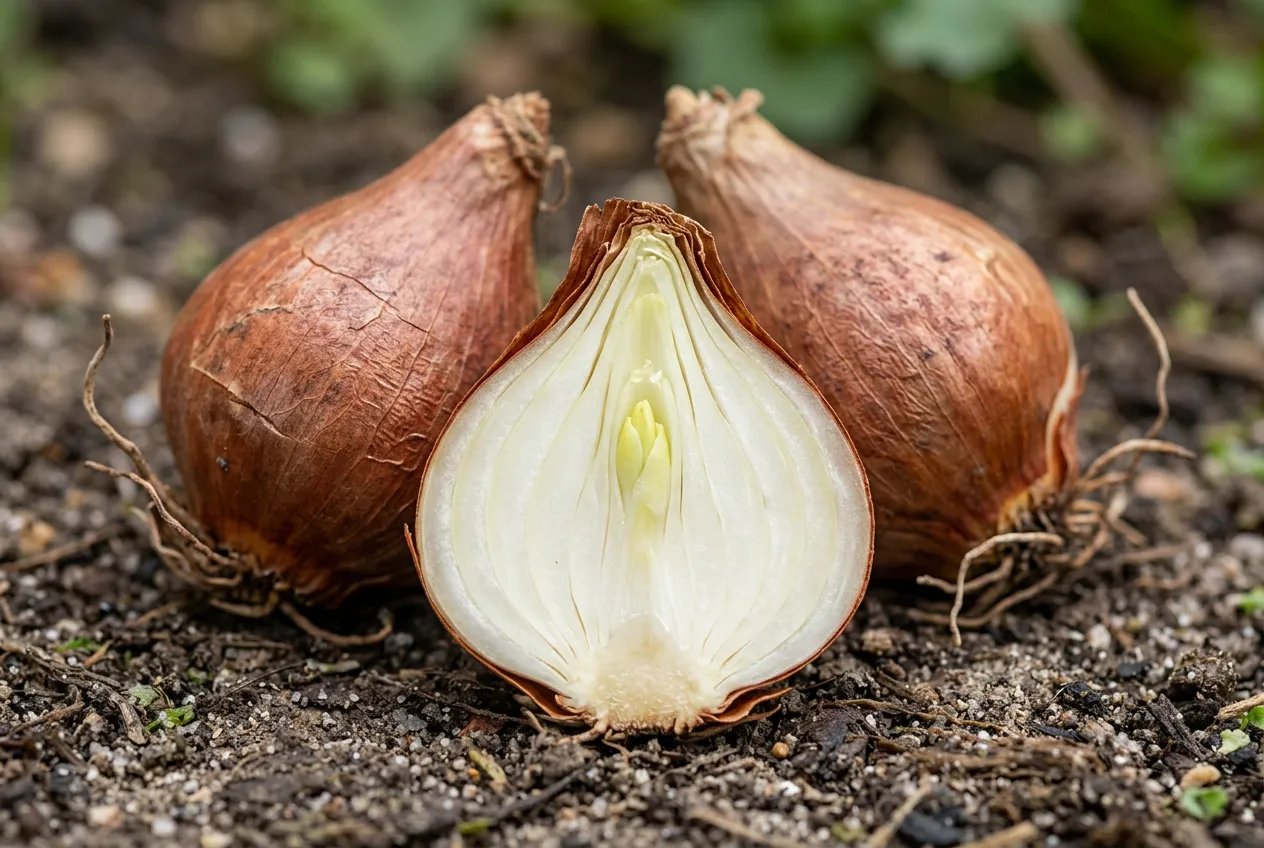
Tulip bulbs contain the highest concentration of allergenic lactones. While flowers and leaves cause mild irritation, the bulbs cause severe gastrointestinal upset, central nervous system depression, and cardiac abnormalities. Dogs that dig up bulbs are most at risk.
How to Identify
Cup-shaped flowers on sturdy 12–24 inch stems in virtually every color. Broad, waxy, blue-green basal leaves. Grow from brown, papery-skinned bulbs planted in fall. Extremely popular in gardens and as cut flowers.
If Your Pet Ingests This Plant
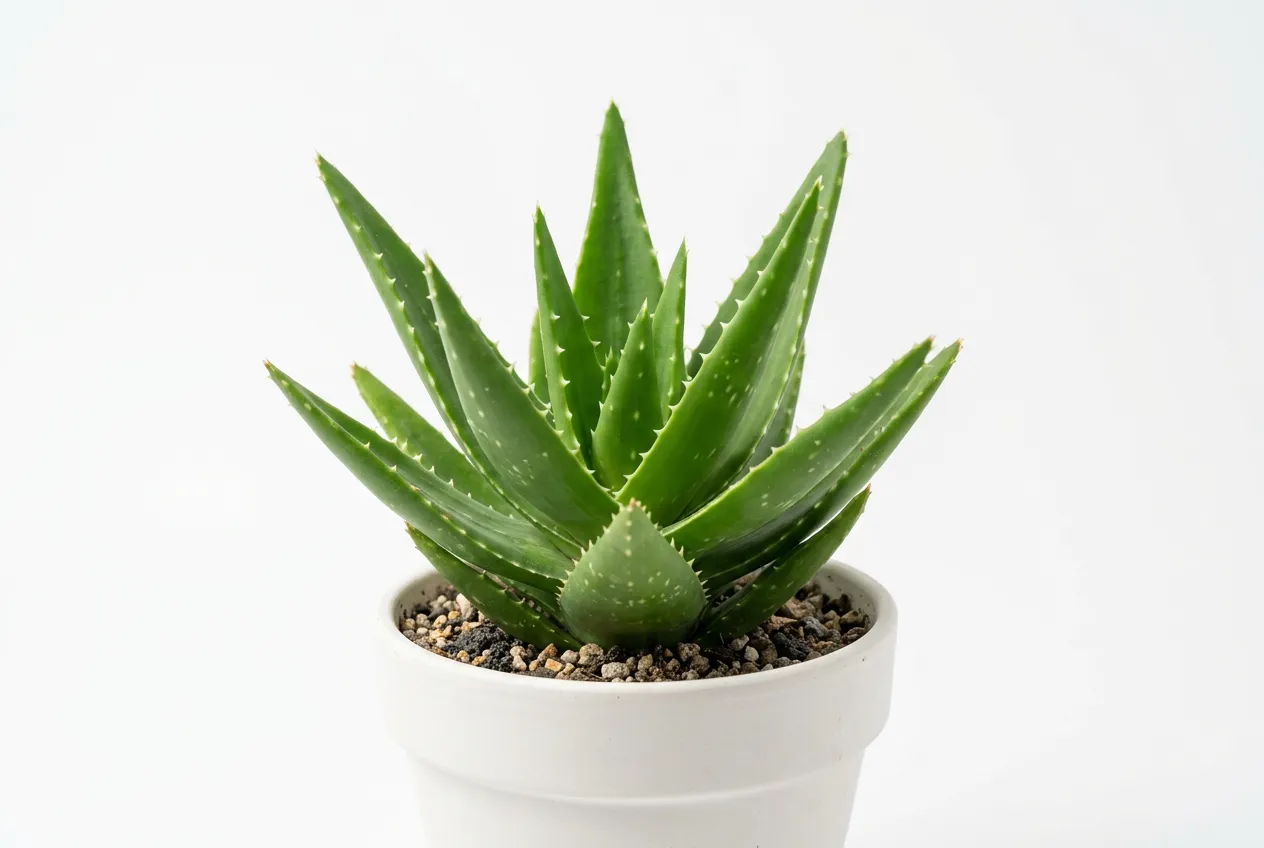
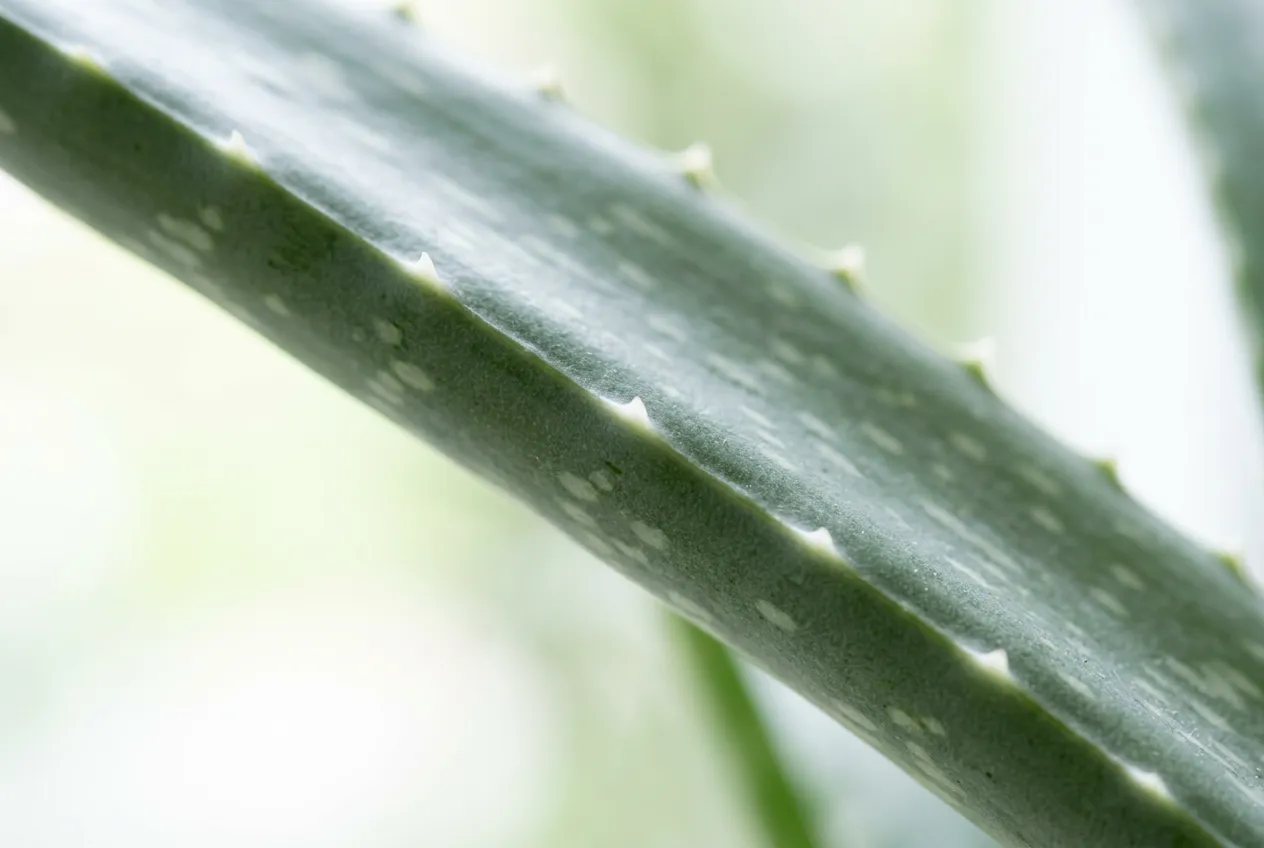
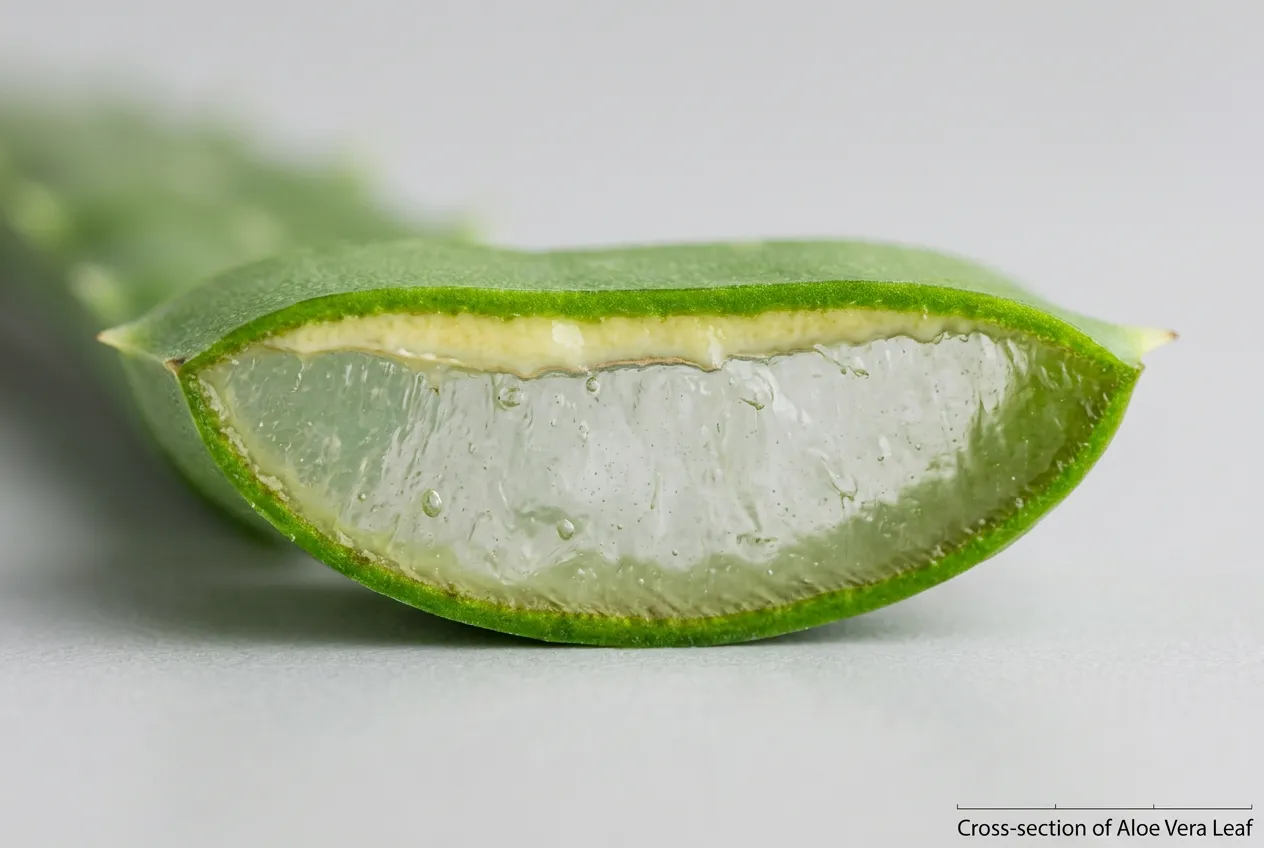
While valued for medicinal properties in humans, the saponins and anthraquinones in aloe are toxic to dogs and cats. The white latex layer between the green outer skin and inner gel is the most toxic part. Ingestion causes vomiting, diarrhea, and loss of appetite.
How to Identify
Succulent with thick, fleshy, lance-shaped leaves in a rosette pattern. Green to grey-green with small white teeth along edges. Grows 1–2 feet tall. Clear gel visible when cut. Very common in kitchens and bathrooms.
If Your Pet Ingests This Plant
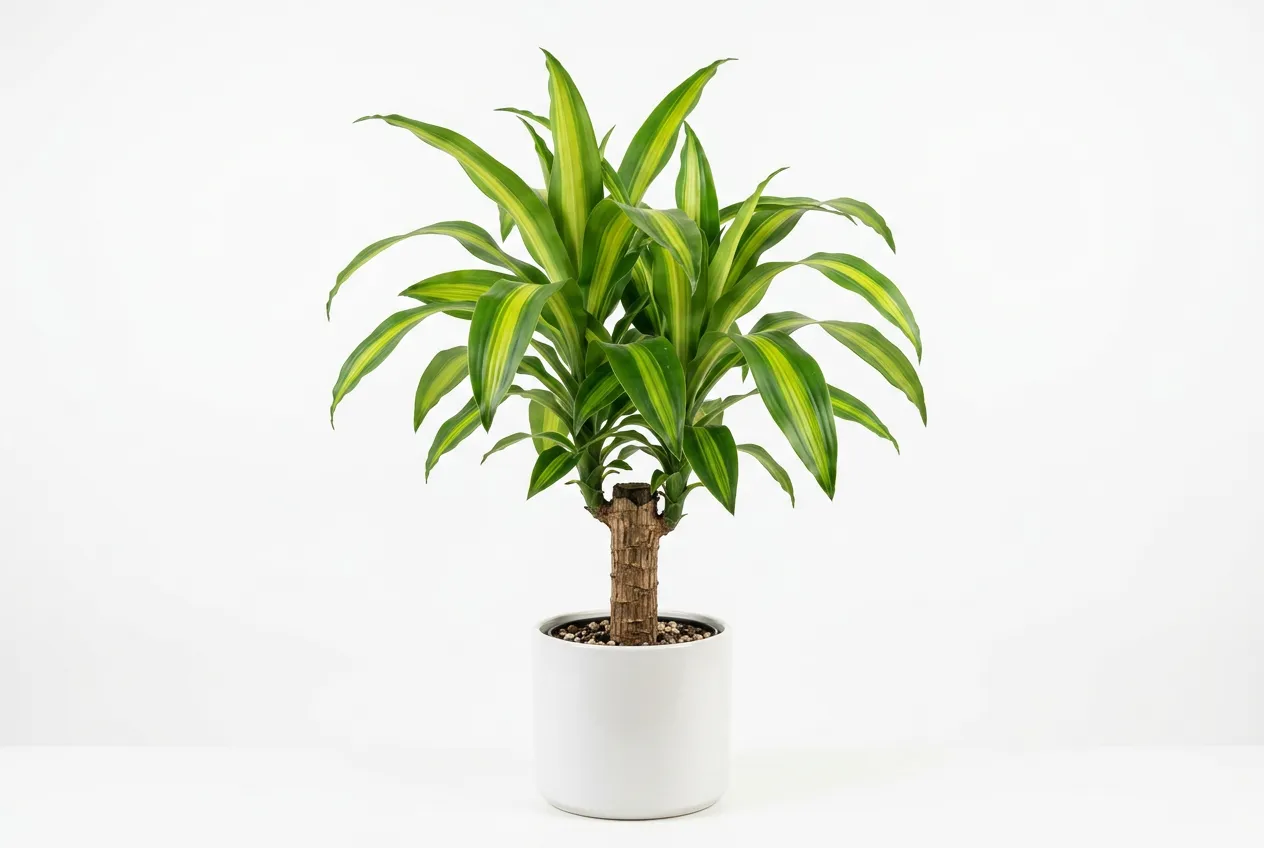
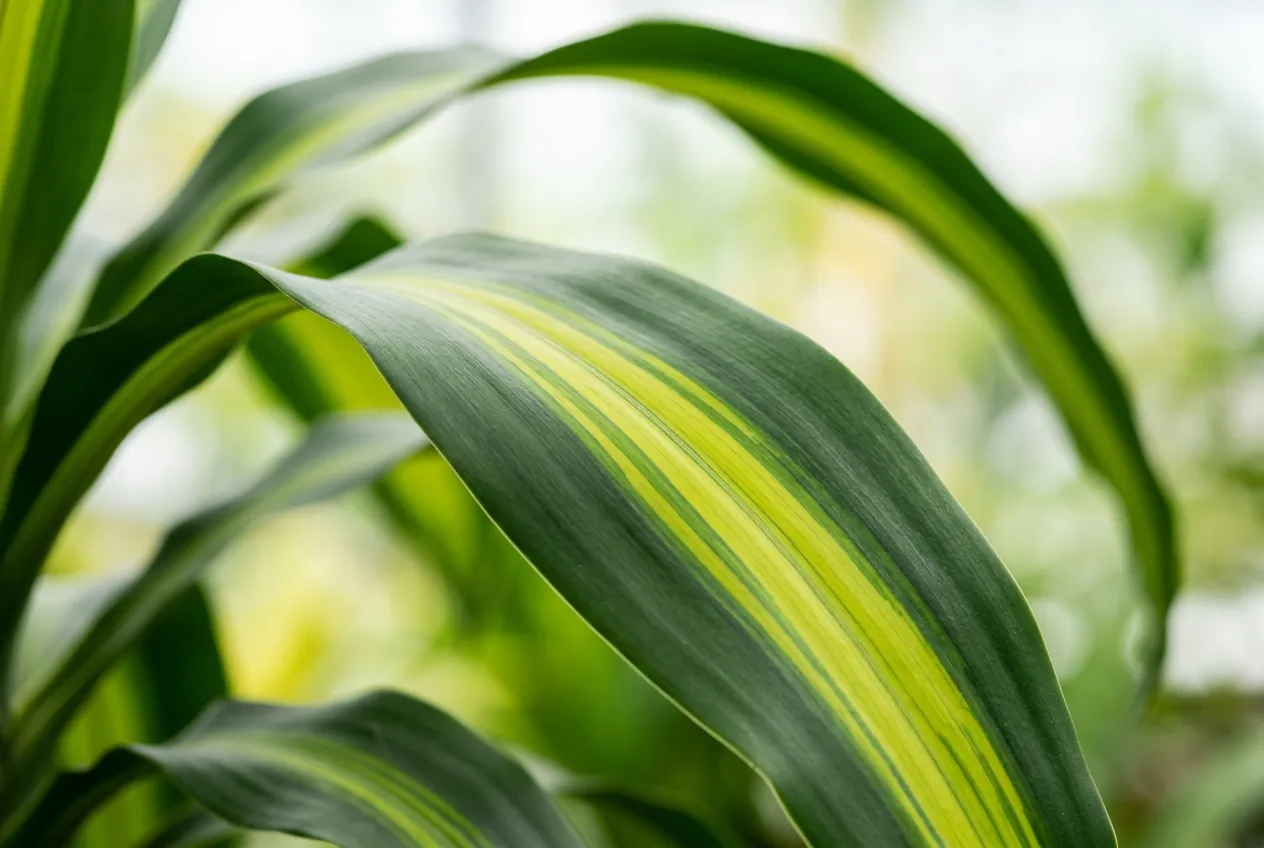
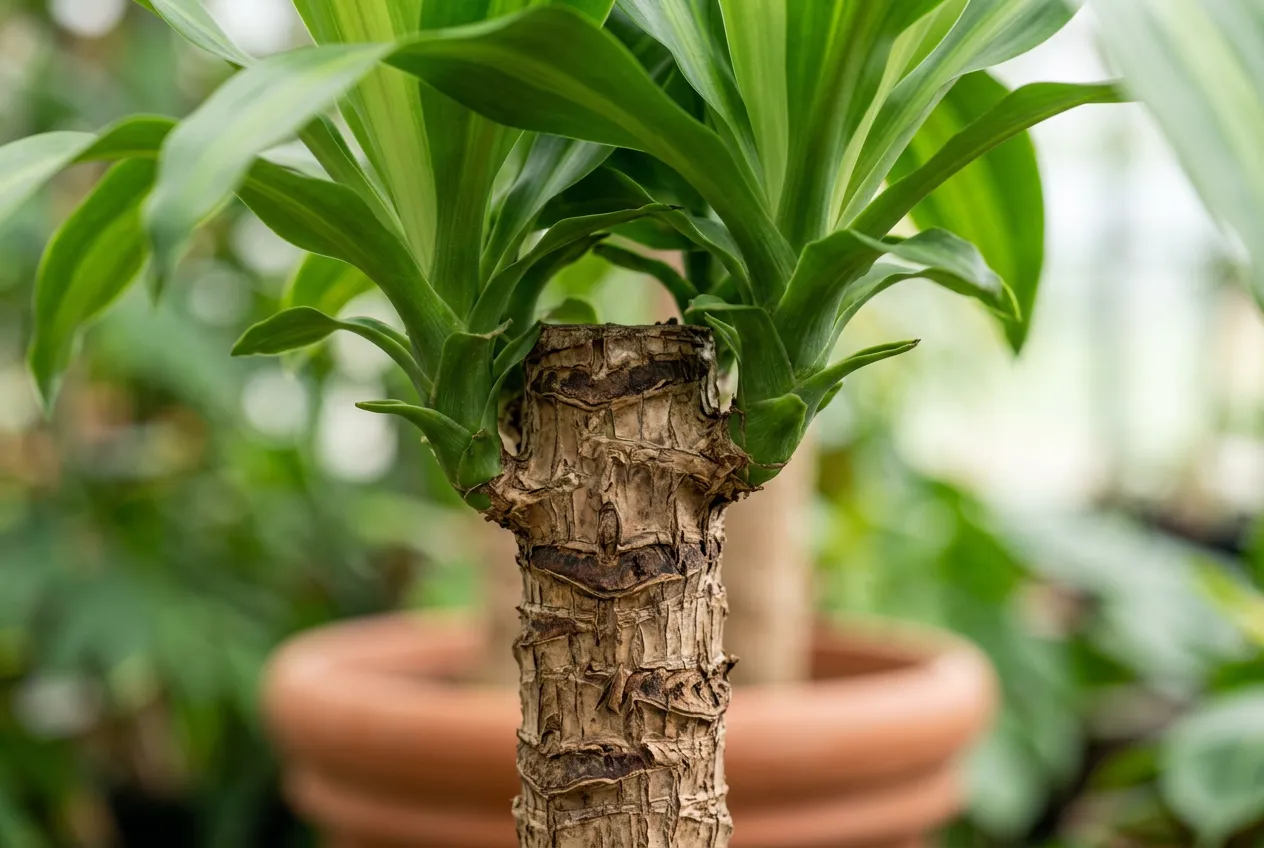
Corn plants and other dracaena species contain steroidal saponins toxic to both dogs and cats. They produce weakness, excessive drooling, vomiting, and diarrhea. In cats, they also cause loss of coordination and dilated pupils.
How to Identify
Tree-like houseplant with a woody cane trunk and clusters of long, arching, strap-like leaves. Typically green with a yellow or lime stripe down the center. Grows 4–6 feet indoors. Also sold as “Lucky Bamboo.”
If Your Pet Ingests This Plant
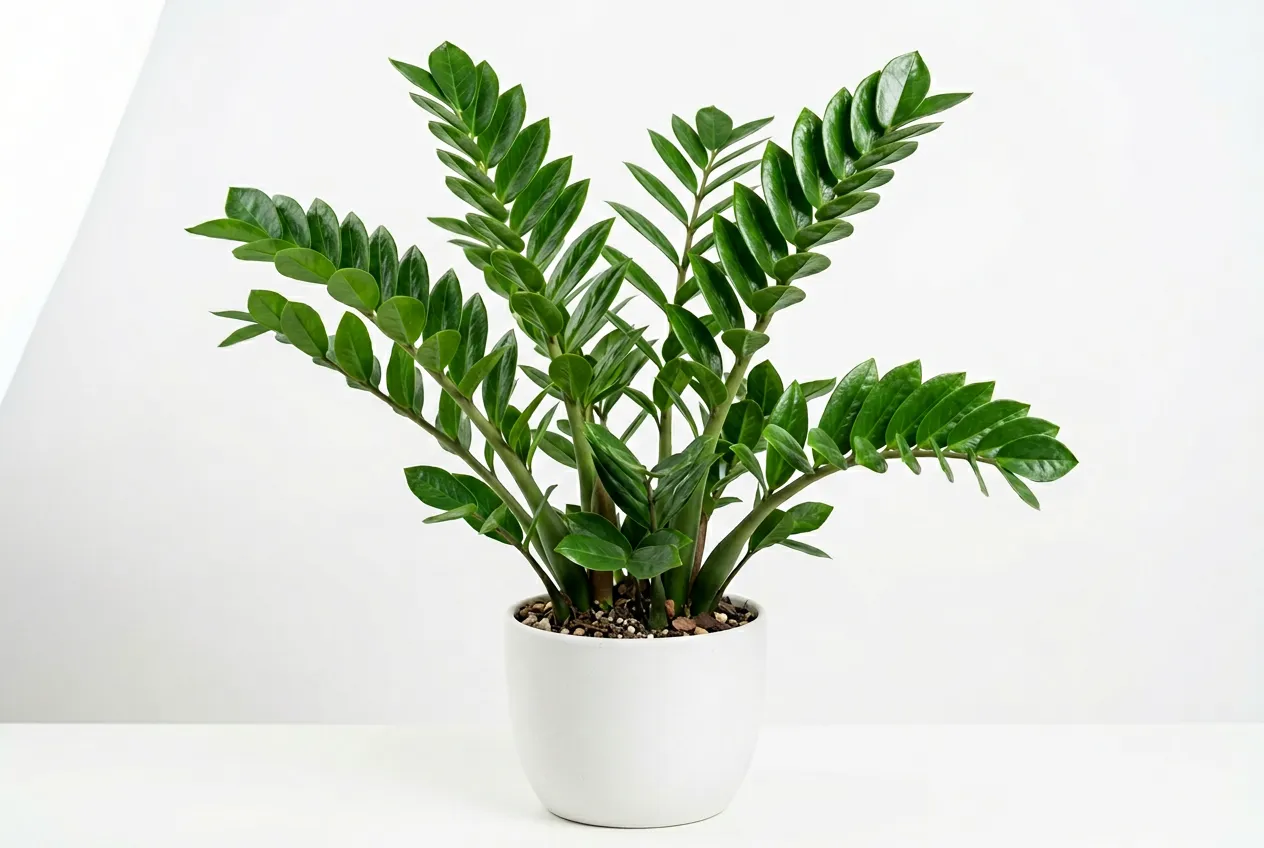
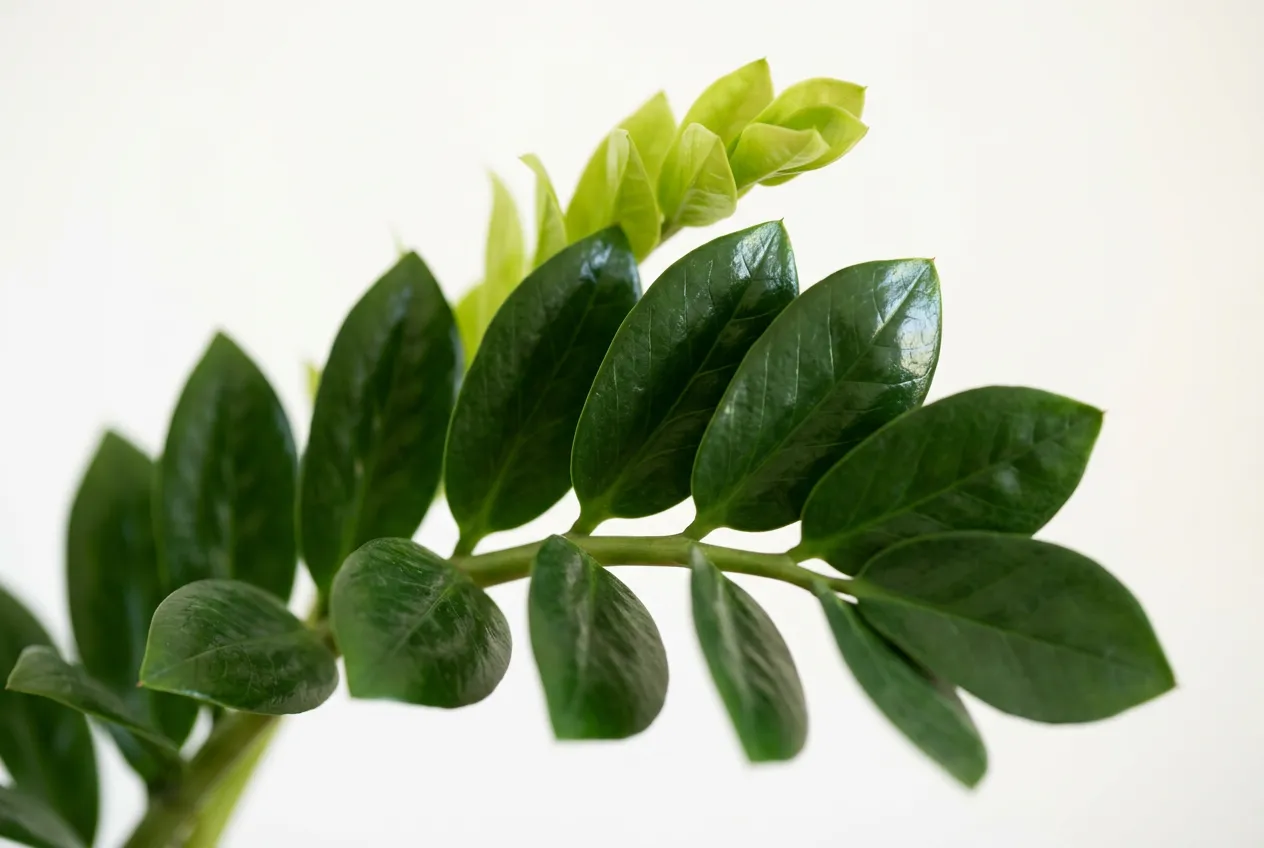
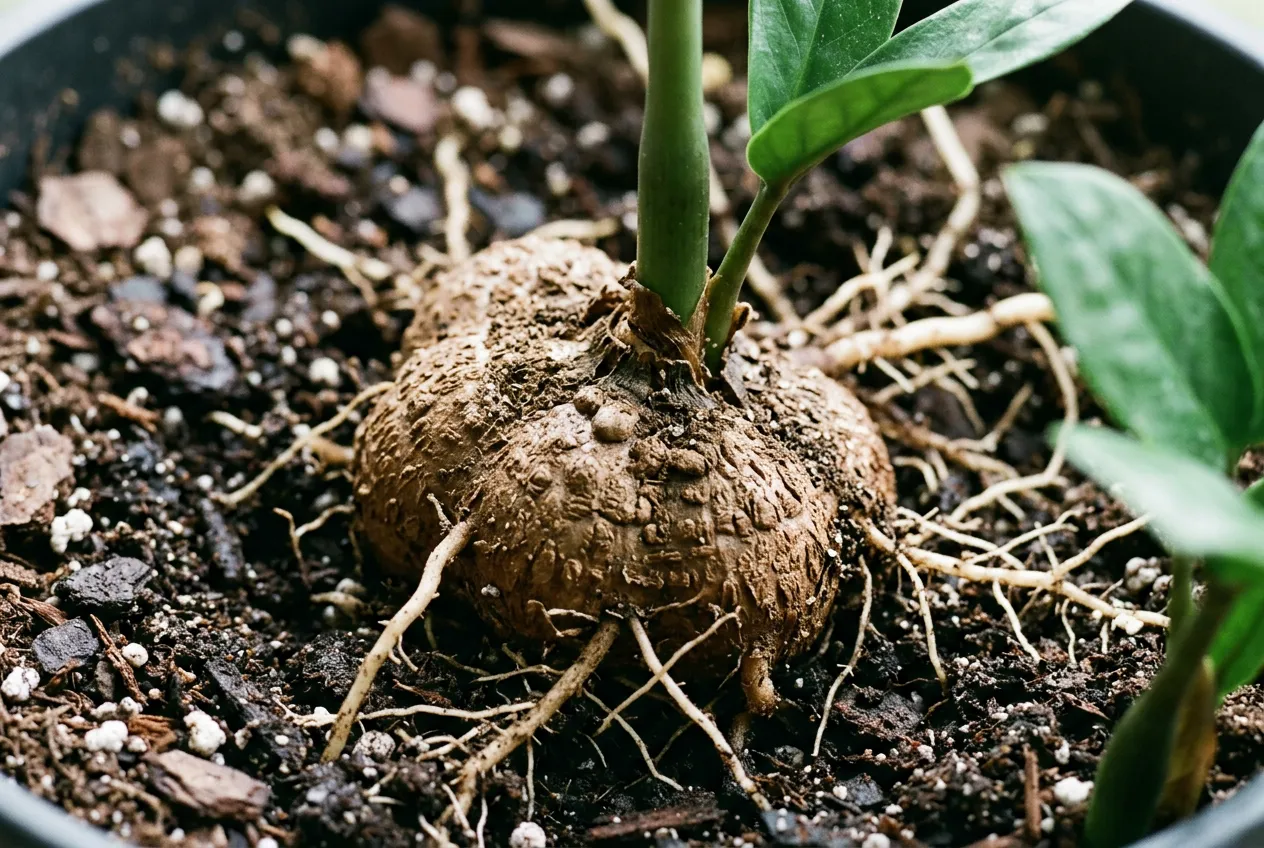
The ZZ plant has become hugely popular for its low-maintenance care, but all parts contain calcium oxalate crystals. While less acutely dangerous than some plants on this list, it causes oral irritation, drooling, and GI upset when chewed.
How to Identify
Upright stems with rows of shiny, dark green, oval leaflets that look almost artificial due to their waxy coating. Grows from thick, potato-like rhizomes. Typically 2–3 feet tall. Tolerates extreme low light and neglect.
If Your Pet Ingests This Plant
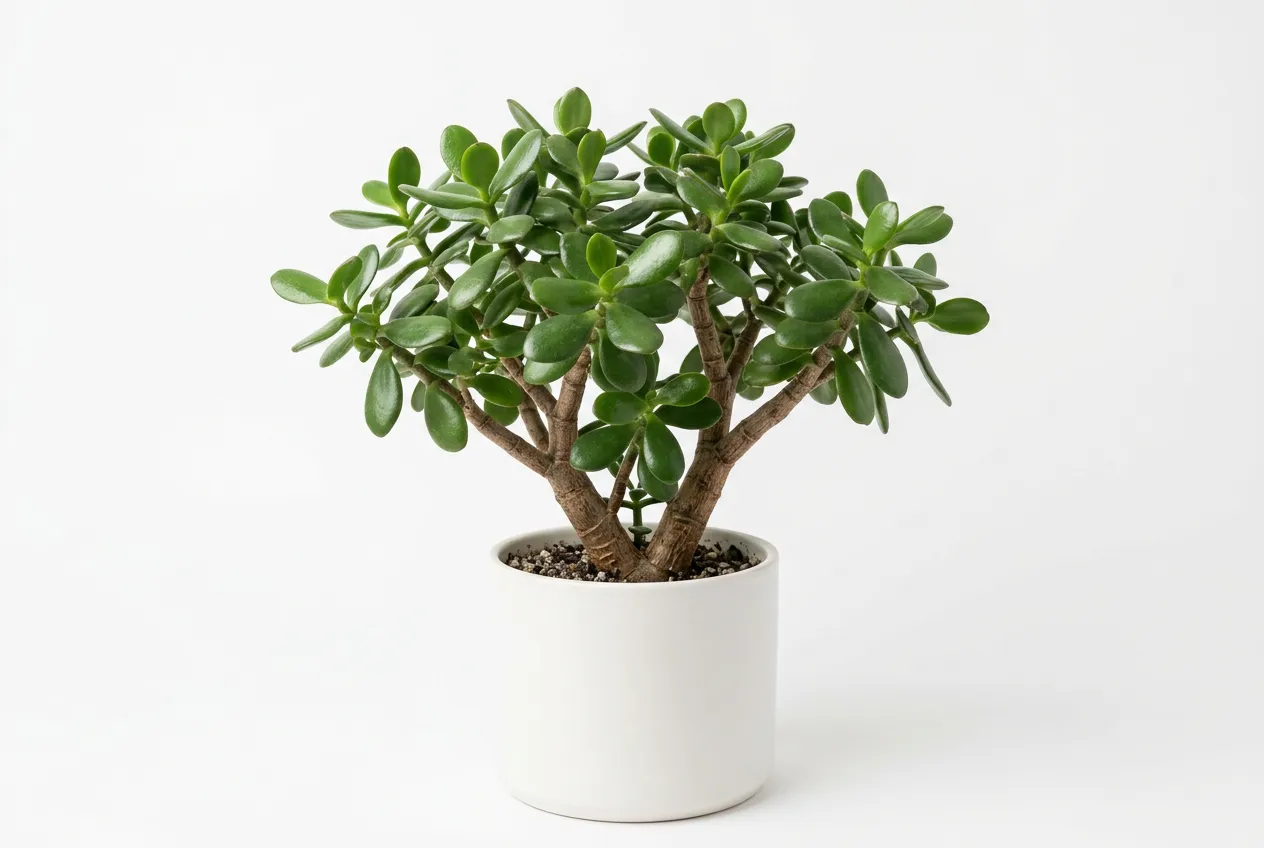
The jade plant is toxic to both dogs and cats, though the exact toxic compound has not been identified. Ingestion causes vomiting, depression, incoordination, and slow heart rate. Extremely common in homes as it is nearly indestructible.
How to Identify
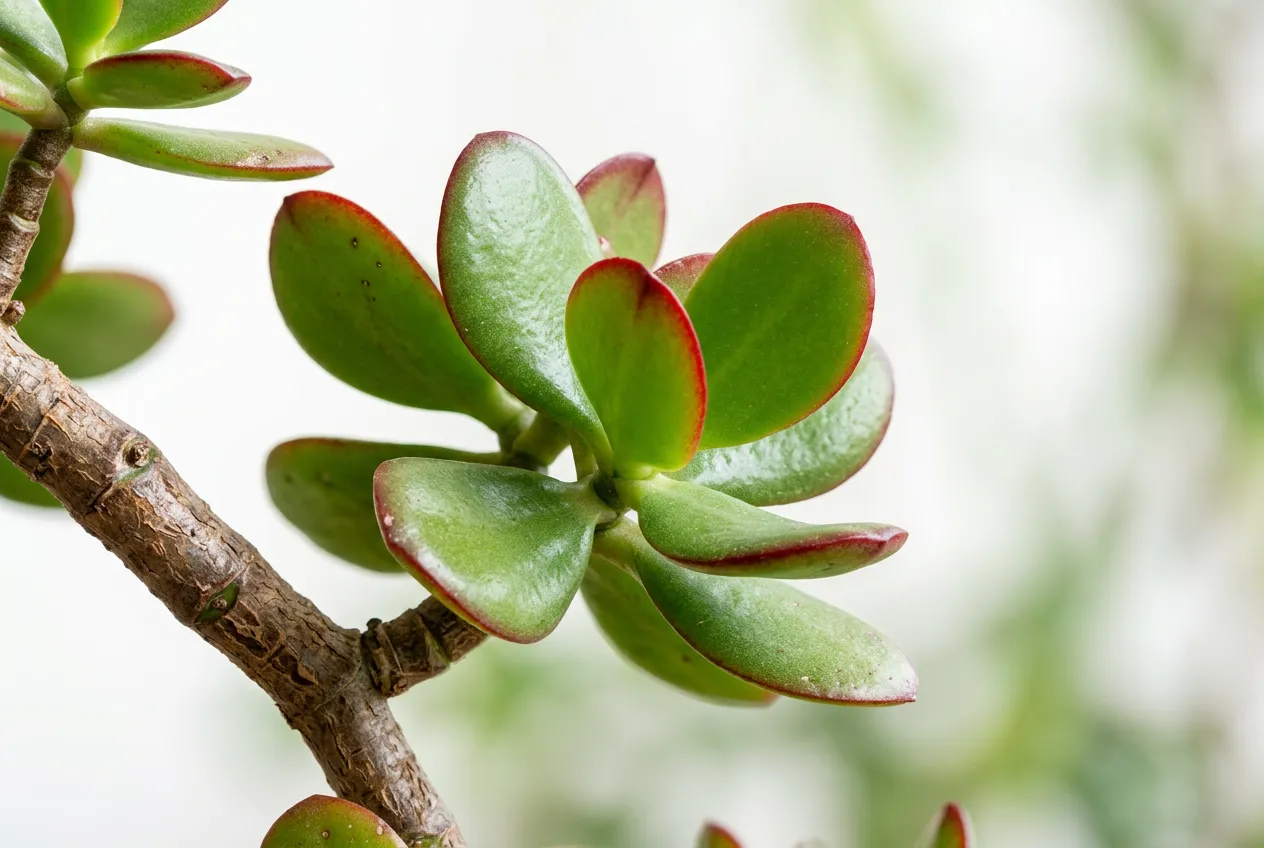
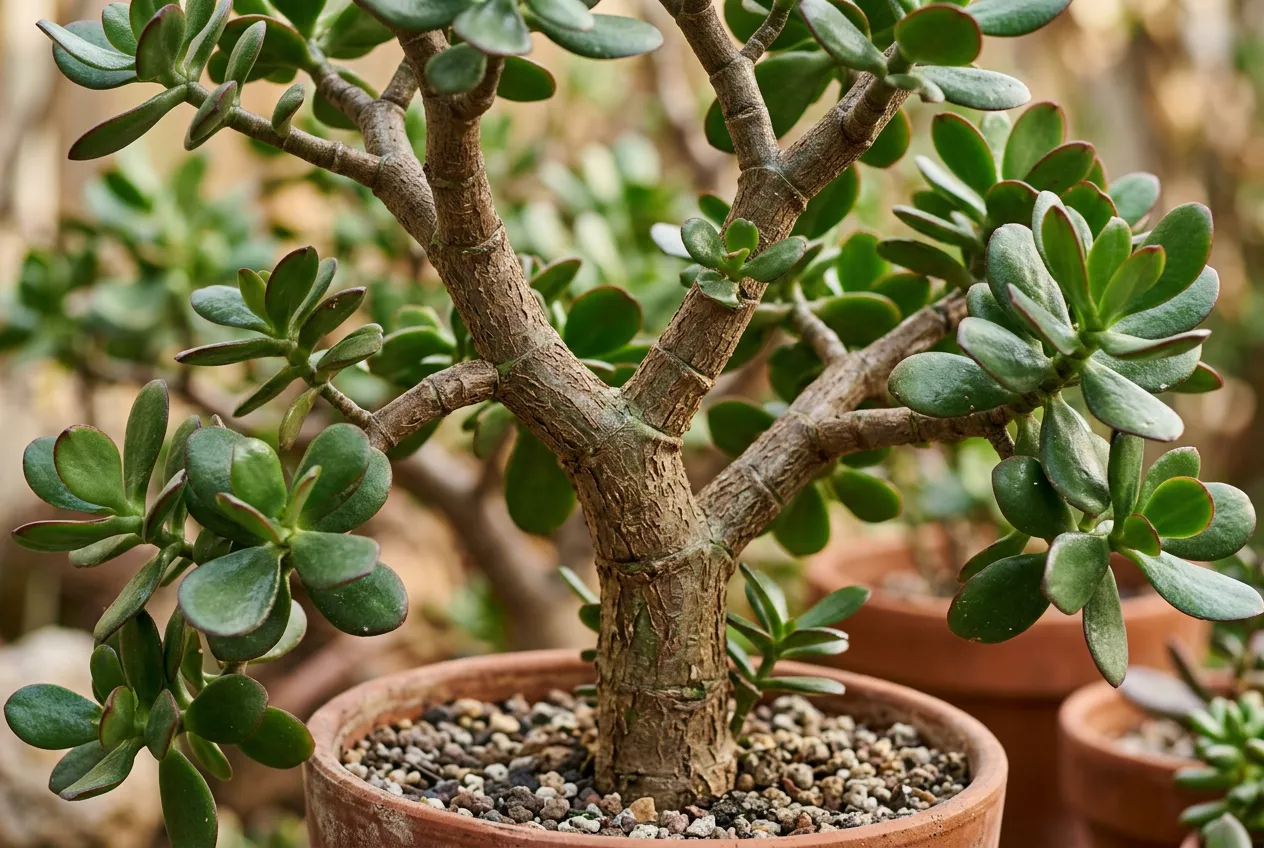
Thick, woody stems with fleshy, oval, jade-green leaves about 1–2 inches long. Compact shrub, 1–3 feet tall indoors. Smooth, shiny leaves. Very long-lived. Sometimes produces small white or pink star-shaped flowers.
If Your Pet Ingests This Plant
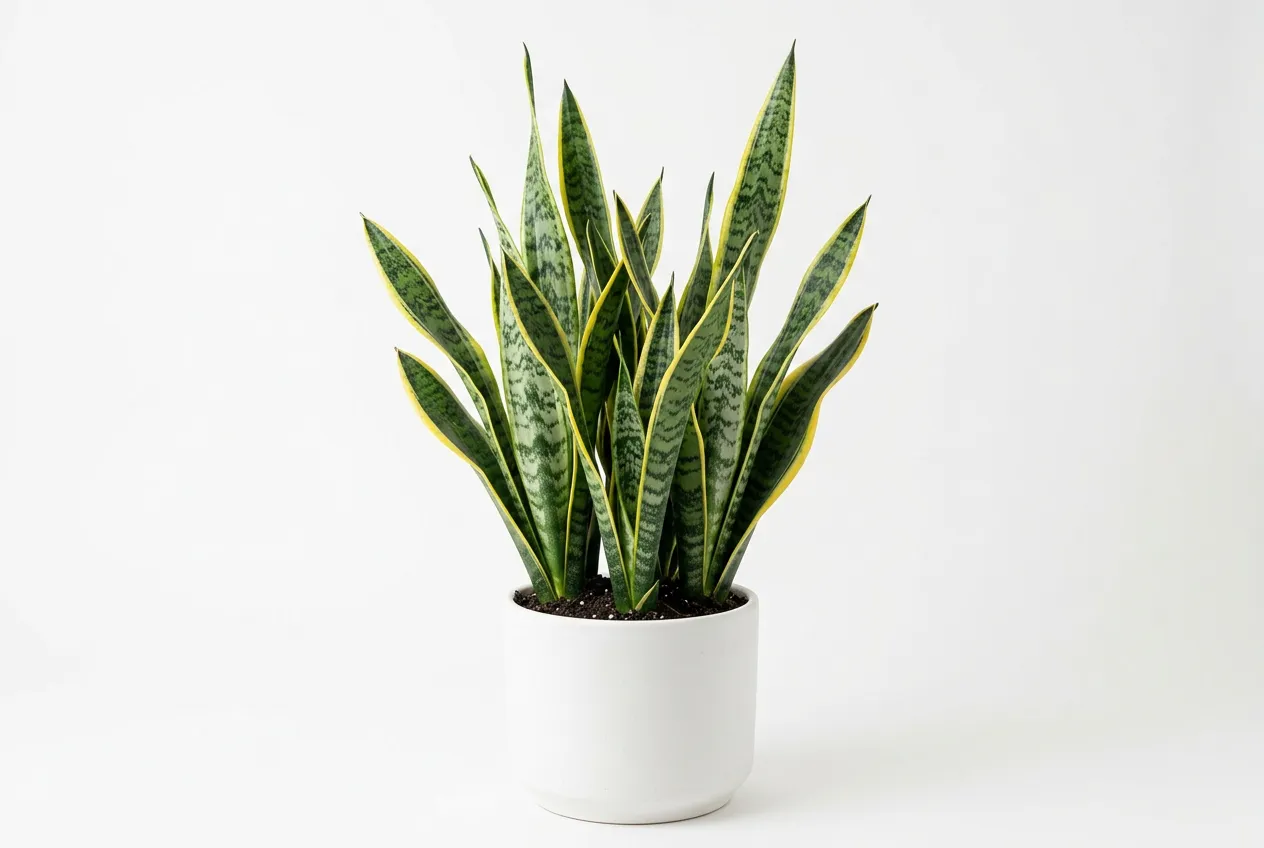
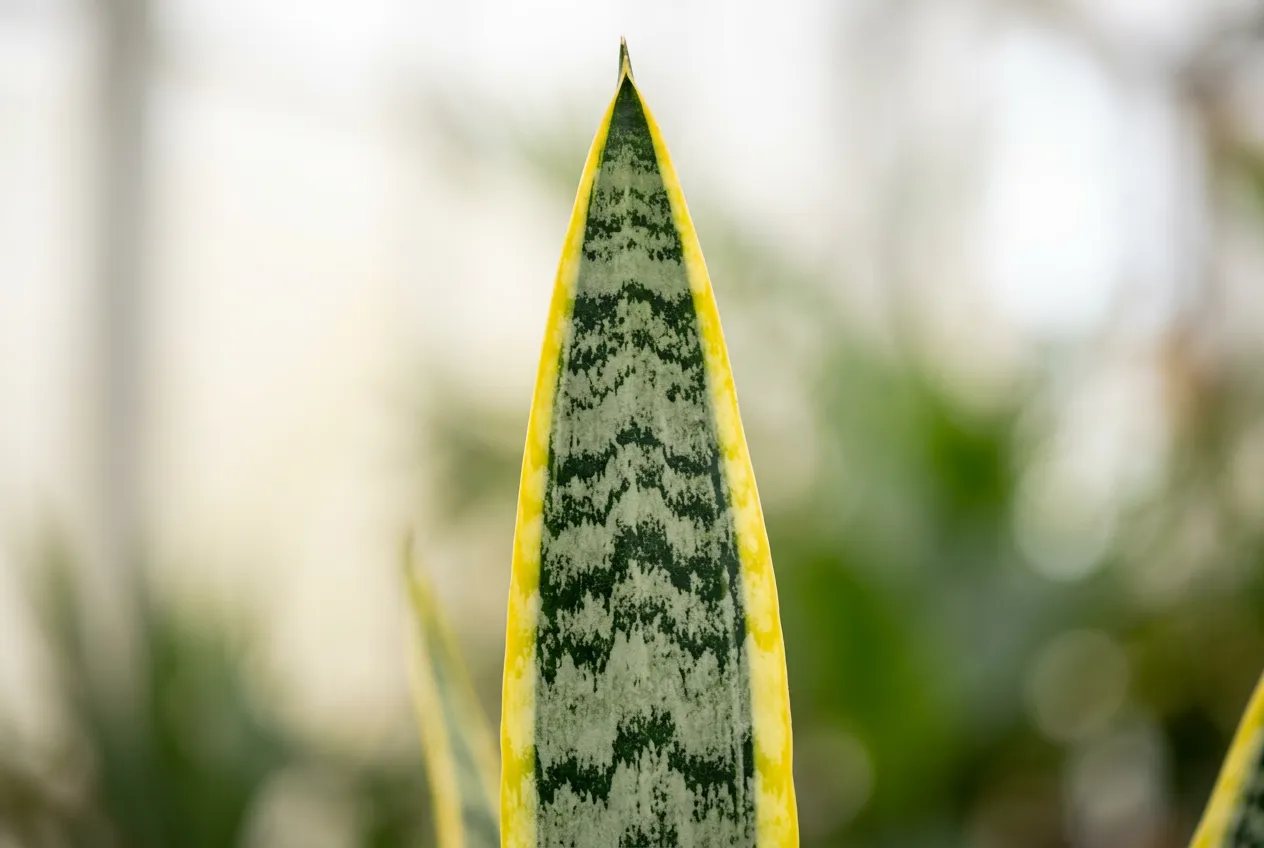
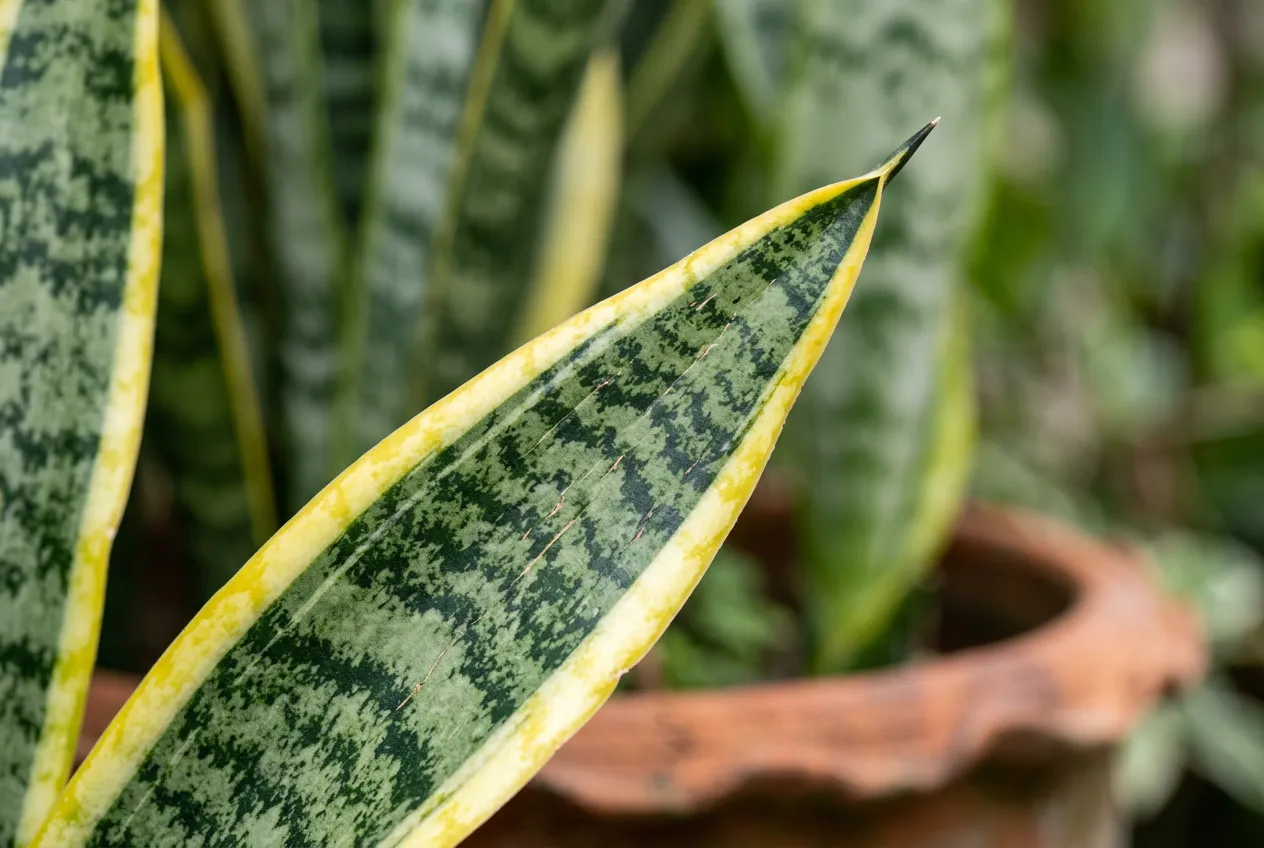
The snake plant contains saponins that act as a natural insecticide. When ingested by pets, these cause nausea, vomiting, and diarrhea. While toxicity is generally mild, it is one of the most common houseplants in the world, making exposure very frequent.
How to Identify
Stiff, upright, sword-shaped leaves growing directly from the soil, 1–4 feet tall. Dark green with lighter green horizontal bands or yellow edges. Extremely architectural. Virtually indestructible.